
Human Firewall: Mitigating Risks for Mobile Devices
Worried about cyberattacks? Learn how your employees can become a human firewall and the first line of defense against all kinds of threats.

Cyber threats are constantly evolving and becoming more sophisticated. Organizations invest heavily in firewalls, intrusion detection systems, and other technical security measures. However, these technical defenses are not always enough to keep sensitive data safe. In fact, a significant number of security breaches occur due to human error, highlighting the need for a different approach to security. This is where the concept of a human firewall comes in. A human firewall refers to the individuals within an organization who are educated and empowered to be a primary line of defense against cyberattacks. Additionally, Mobile Device Management (MDM) solutions play a crucial role in complementing the human firewall by providing centralized control, robust security features, and policy enforcement tools. In this article, we'll discuss the human firewalls meaning, the importance of a human firewall in mobile security, and we'll examine practical strategies for building and maintaining an effective human firewall.
What Is a Human Firewall?
The human firewall’s definition encompasses the people within an organization who serve as the first line of defense against cyber threats. It's about empowering employees with the knowledge, skills, and awareness to make informed decisions about device usage, identify potential threats, and follow security protocols. Consider this human firewall example: Imagine an employee receives an email that appears to be from their bank, asking them to click a link and update their account information. A well-trained member of the human firewall would recognize the hallmarks of a phishing attempt – an urgent tone, suspicious sender address, or grammatical errors. They wouldn't click the link, instead reporting the email to the IT department, effectively preventing a potential data breach. 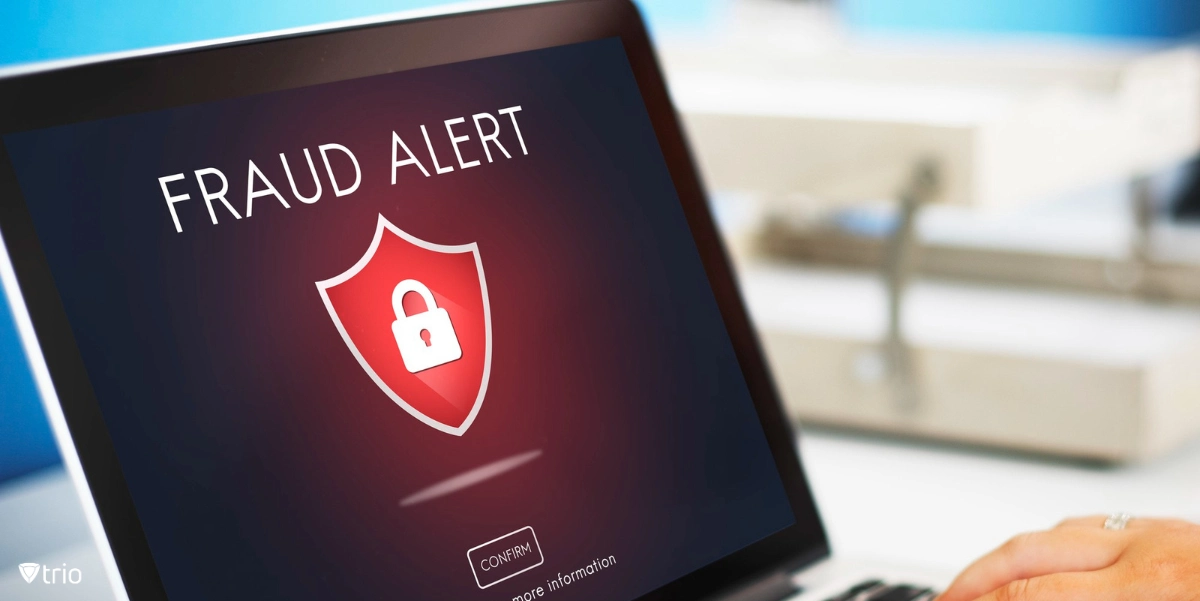
Components of a Robust Human Firewall
Building a strong human firewall requires a multi-pronged approach. The first step is to identify and understand the potential impact of human error on your organization. This involves analyzing common mobile security threats, such as phishing attacks, malware installation, and data breaches, and assessing how likely they are to occur and their potential consequences. Once potential risks are identified, it's crucial to prioritize the human firewall components based on their importance and potential impact. For example, training employees to identify phishing attempts is likely more critical than educating them on complex encryption methods. Let's delve into the key components of the human firewall:
Employee Training
Employee education is the cornerstone of a robust human firewall. Regular training programs empower employees with the knowledge and skills necessary to recognize and mitigate cyber threats. This includes teaching them to:
- Identify phishing attempts: Educate them on the common tactics used in phishing emails and text messages and how to differentiate legitimate communications from malicious ones.
- Download apps responsibly: Train them on the risks associated with downloading applications from unknown sources and emphasize using official app stores.
- Utilize strong passwords: Inform them about creating strong, unique passwords for their mobile devices and applications. Also, teach them about the benefits of multi-factor authentication, which adds a layer of security.
- Report suspicious activity: Encourage employees to report any suspicious activity, such as unexpected login attempts or unauthorized app installations, immediately.
- Benefit from training opportunities: Consider utilizing various training formats to cater to different learning styles. This can include interactive online modules, in-person workshops, knowledge-sharing sessions, and simulations to reinforce concepts and provide hands-on experience.
Implementing Access Control
Another crucial element of a human firewall is access control and informing employees of their level of access. This involves limiting access to sensitive data and applications based on the principle of least privilege. Implementing access control measures ensures that employees only have the access they need to perform their job functions, minimizing the potential damage in case of a compromise. MDM solutions play a critical role in access control by allowing IT administrators to:
- Adopt application whitelisting and restrict access to data based on user roles and security groups.
- Enforce password complexity requirements and multi-factor authentication.
- Remotely wipe lost or stolen devices to prevent unauthorized access to sensitive information.

Effective Incident Response
While a human firewall plays a crucial role in preventing security incidents through awareness and informed behavior, it's important to remember that human error can still occur. Even with the best training, mistakes happen. In such situations, having a well-defined incident response plan becomes essential for minimizing the impact of a security breach and facilitating a smooth recovery. Here's how:
Investigation and Remediation
A well-defined incident response plan outlines clear procedures for investigating and responding to security incidents. For example, if an employee accidentally downloads malware onto their mobile device, a well-defined plan would outline steps for isolating the device, identifying the specific threat, and implementing appropriate remediation measures, such as removing the malware or remotely wiping the device.
Clear Roles and Responsibilities
A well-defined incident response plan defines clear roles and responsibilities for each member of the team involved in handling a security incident. The human firewall, particularly those who report the incident, plays a crucial role by providing vital information during the initial stages of the investigation. The plan outlines specific roles for IT personnel and other relevant departments, ensuring a coordinated and efficient response throughout the entire process.
Learning and Improvement
A well-defined incident response plan allows organizations to learn from past incidents. By analyzing how the incident occurred and what went well, or poorly, during the response, organizations can identify areas for improvement and update their human firewall training, security protocols, and the incident response plan itself. This continuous improvement ensures the human firewall remains informed and prepared for future threats, and the overall response process becomes more efficient and effective in mitigating future incidents.
Best Practices for Building a Human Firewall in Cyber Security
Beyond striving to establish the aforementioned qualities within your organization’s human firewall, consider incorporating the following best practices:
- Establish a formal human firewall program: This program should outline the goals, responsibilities, and training requirements for employees.
- Conduct regular risk assessments: Regularly evaluate your organization's security posture and establish IT risk management processes.
- Implement an MDM system: MDM solutions offer valuable tools for managing mobile devices and enhancing the effectiveness of your human firewall.
- Continuous improvement: Adopt a culture of continuous improvement by regularly reviewing and updating your human firewall strategy as new threats emerge and technologies evolve.
Final Insights
By implementing a comprehensive human firewall approach, organizations can significantly strengthen their mobile security posture. This multi-layered approach, combining employee education, access control, incident response protocols, and MDM solutions, empowers individuals to become active participants in safeguarding sensitive information and mitigating cyber threats. IT administrators have a crucial role in prioritizing human firewall initiatives and investing in robust MDM solutions to create an optimal security environment. Trio is a comprehensive MDM solution designed to complement your human firewall strategy by providing:
- A user-friendly interface: With a user-friendly dashboard, Trio offers comfort and ease of use to all employees with different levels of technical savvy.
- Granular access control: Trio allows you to implement granular access controls, ensuring employees only have access to the data and applications they need.
- Automated security features: Trio provides automated features, like remote wipe and application blacklisting, to minimize the impact of security incidents.
Get started with Trio today! Request a free demo of Trio and experience how it can empower your human firewall and strengthen your organization's mobile security posture.

Start your free trial
Get Ahead of the Curve
Every organization today needs a solution to automate time-consuming tasks and strengthen security. Without the right tools, manual processes drain resources and leave gaps in protection. Trio MDM is designed to solve this problem, automating key tasks, boosting security, and ensuring compliance with ease.
Every organization today needs a solution to automate time-consuming tasks and strengthen security. Without the right tools, manual processes drain resources and leave gaps in protection. Trio MDM is designed to solve this problem, automating key tasks, boosting security, and ensuring compliance with ease.





Frequently Asked Questions (FAQ)
Have questions? We've got answers. This section covers some of the most commonly asked questions related to this topic.