

Explained
How to Detect Shadow AI in Your Organization
Shadow AI breaches average $4.63M. Here is how to detect shadow AI using DNS logs, OAuth audits, and your endpoint inventory, step by step.
Adopting best practices can go a long way in organizations enhancing security against advanced persistent threats.
In an increasingly interconnected digital environment, the risks posed by Advanced Persistent Threats (APTs) have become a pressing concern for businesses, organizations and individual users alike. APTs are sophisticated, targeted attacks that seek to infiltrate systems over extended periods, often with the goal of stealing sensitive information or disrupting operations. Unlike more common attacks, APTs are characterized by their stealthiness and persistence, often involving multiple stages and sophisticated techniques to evade detection. APTs are crafted by cyber criminals to circumvent security measures and inflict maximum damage and disruption. Given the complexity and evolving nature of these threats, it is clear that no single solution is sufficient to safeguard systems or networks. Instead, a comprehensive, multi-layered security approach is essential, complemented by constant network monitoring. This is where Advanced Threat Protection (ATP) plays a crucial role. ATP solutions use a variety of methods to prevent and block threats before they can execute.
ATP works by using a combination of technologies and techniques to prevent, detect and respond to sophisticated cyber threats, including zero-day exploits, malware, ransomware and targeted attacks. ATP solutions are designed to offer multi-layered security, often going beyond traditional antivirus or firewall defenses.
This example illustrates a comprehensive ATP workflow encompassing prevention, detection, investigation, response and recovery to effectively mitigate threats.
To implement ATP effectively, organizations should adopt key best practices that strengthen their security framework and enhance resilience against potential breaches.
Before implementing ATP solutions, organizations should conduct a comprehensive risk assessment to identify vulnerabilities within their systems. The assessment should evaluate potential threats, determine the value of assets and analyse the impact of potential security breaches. By understanding the landscape of risk, organizations can tailor their ATP strategies effectively.
ATP should not rely on a single layer of defense. Instead, organizations should adopt a multi-layered security framework that includes firewalls, intrusion detection systems, antivirus software and endpoint protection. The diversification of protective measures increases the likelihood of detecting and neutralizing threats at different stages of an attack.
Continuous monitoring is essential for identifying threats in real-time. Organizations must employ advanced analytics tools that leverage artificial intelligence and machine learning to analyze data traffic and detect anomalies. This proactive approach enables swift responses to emerging threats and minimizes the potential for damage.
Having a well-defined incident response plan is crucial for addressing security breaches effectively. Organizations should develop and regularly update this plan, ensuring that all stakeholders know their roles in the event of a security incident. A practiced response can minimize disruption and facilitate a quicker recovery.
Human error remains one of the most significant vulnerabilities in cybersecurity. Organizations should invest in regular training programs to educate employees on recognizing phishing attempts, safe browsing habits and the importance of strong password policies. Empowering employees with knowledge can significantly reduce the likelihood of successful attacks.
Keeping software and systems updated with the latest patches is vital in combating threats. Cybercriminals often exploit outdated software vulnerabilities to gain access to networks. Organizations must implement a regular update schedule and employ automated patch management tools to ensure that all systems are secure.
Finally, organizations should consider collaborating with trusted cybersecurity firms that specialize in ATP solutions. These partnerships can provide access to advanced threat intelligence, ongoing support, and expertise that enhance the organization’s overall security strategy. 
Here, we explore the top APT solution providers recognized for their advanced detection capabilities, valuable threat intelligence and a proven track record.
When choosing an APT solution, it's crucial to consider your organization's size, infrastructure, and specific security needs. Each solution offers a unique combination of detection methods, automated responses, and integration capabilities to help protect against the most sophisticated cyber threats. ATP provides an adaptive and dynamic defense against evolving cyber threats. Effective Advanced Threat Protection requires careful evaluation of risks, leveraging threat intelligence, implementing multiple layers of security, securing systems, increasing employee awareness on security issues and utilizing automation tools and system monitoring. Adopting these best practices can go a long way in organizations enhancing security guards while safeguarding information and crucial resources from sophisticated cyber hackers.
Cyber threats are constantly evolving, with new attack vectors appearing almost daily. Effectively keeping pace with changing threats entails continuous vigilance and preparedness for action in the form of appropriate adaptation. By understanding the different types of threats you're likely to face, and by implementing one or more comprehensive threat assessment frameworks, you can help safeguard your digital assets against potential damage. This is where Trio steps in. Its offerings not only assist you in managing all your gadgets but also secure your security environment from all emerging threats. Ready to take your protection to the next level? Learn what Trio can do for your organization. Schedule a free demo today!
Every organization today needs a solution to automate time-consuming tasks and strengthen security. Without the right tools, manual processes drain resources and leave gaps in protection. Trio MDM is designed to solve this problem, automating key tasks, boosting security, and ensuring compliance with ease.
Every organization today needs a solution to automate time-consuming tasks and strengthen security. Without the right tools, manual processes drain resources and leave gaps in protection. Trio MDM is designed to solve this problem, automating key tasks, boosting security, and ensuring compliance with ease.





Have questions? We've got answers. This section covers some of the most commonly asked questions related to this topic.
Related
The related industry news, interviews, technologies, and resources.
Shadow AI breaches average $4.63M. Here is how to detect shadow AI using DNS logs, OAuth audits, and your endpoint inventory, step by step.
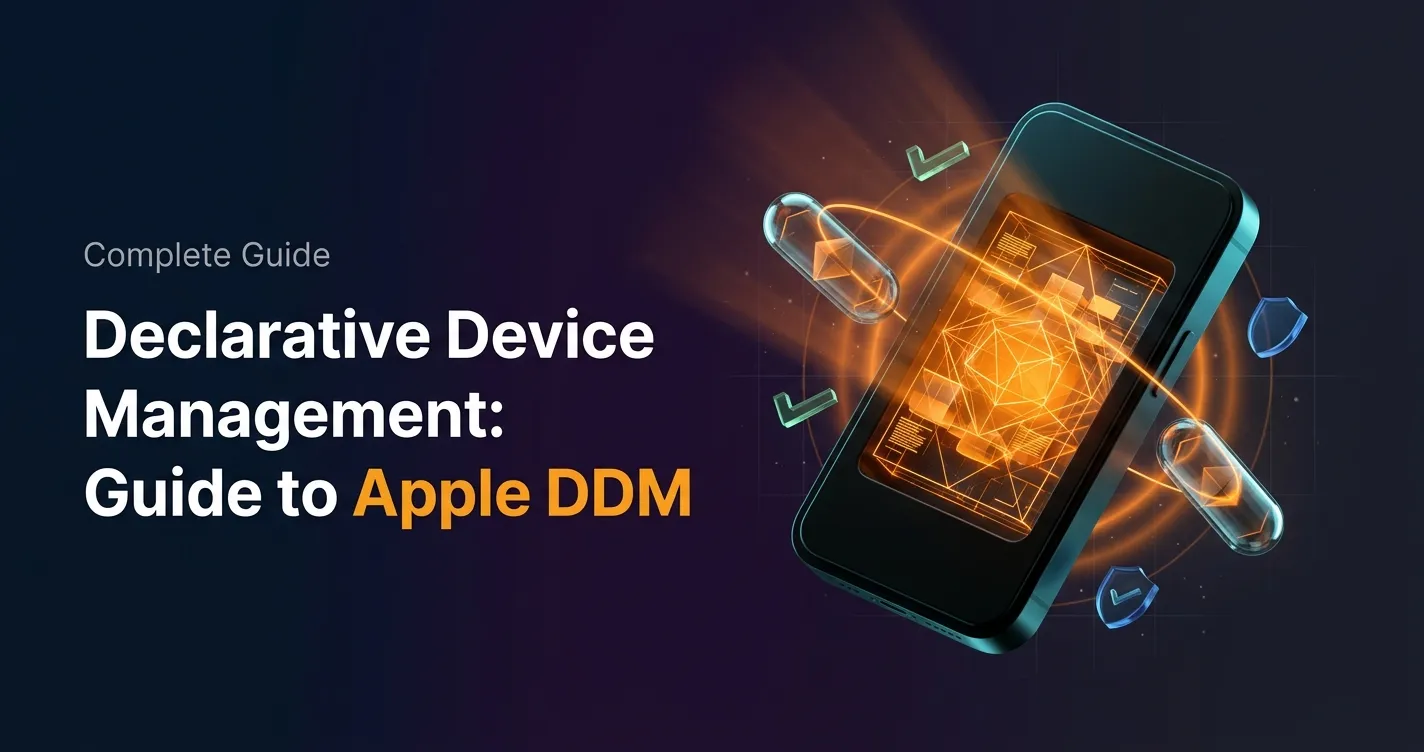
Declarative device management is Apple's answer to MDM polling delays and unreliable compliance data — here's how it works and how to start using it.

An APNS certificate is what lets your MDM platform send commands to iPhones, iPads, and Macs — here's how to create, renew, and protect it.
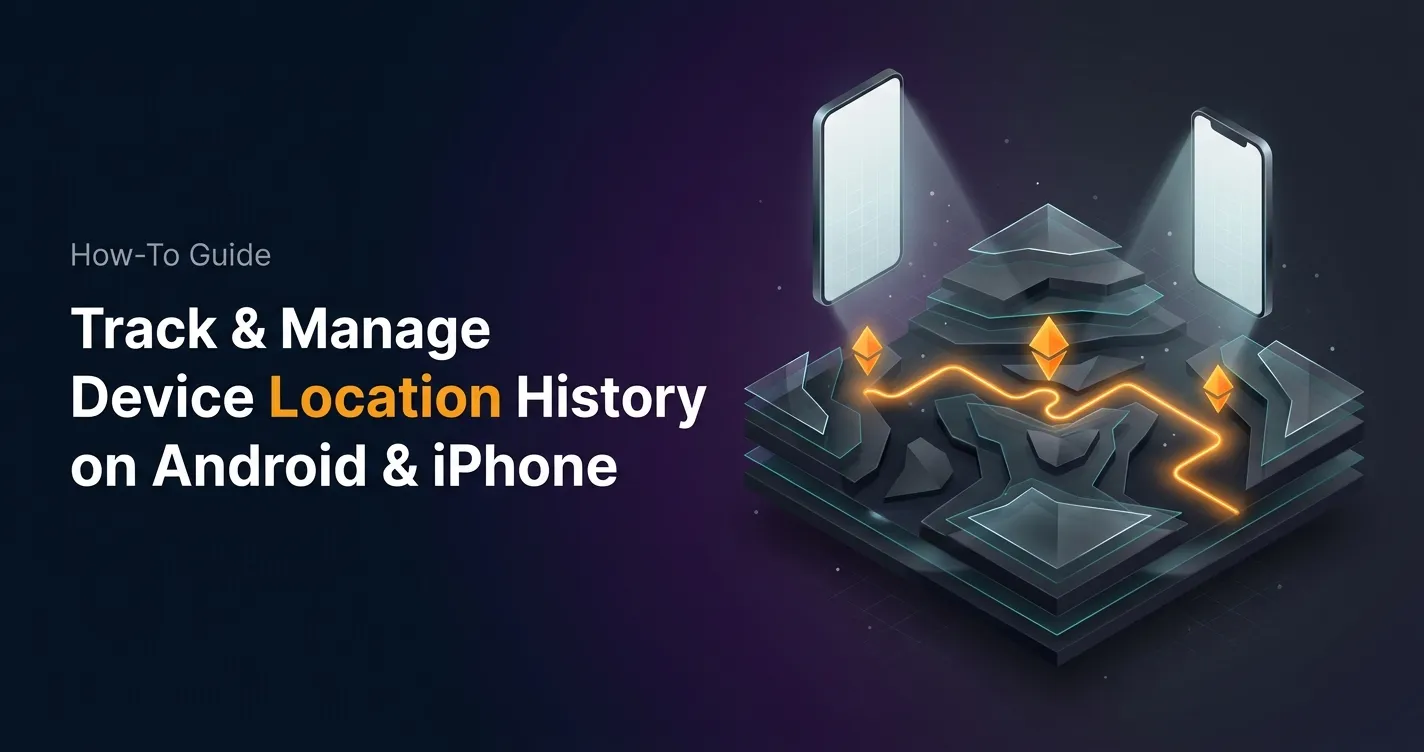
Device location history works differently on Android, iPhone, and MDM platforms. Here's what each one actually stores and how to access it.

Unlike full-device VPN, per-app VPN tunnels only the apps you choose — and without MDM enforcement, users can bypass it entirely on unmanaged devices.
A remote wipe on a Mac is only possible if the right tools are in place first — here is how MDM, Find My, and native macOS each handle device erasure.
Compare SOC 2 Type 1 and Type 2 audits. Discover key differences, audit scope, duration, and how to choose for compliance needs.

Compare managed and unmanaged devices - definitions, security differences, control levels, and how to choose the right approach for IT.