


Explained
How to Detect Shadow AI in Your Organization
Shadow AI breaches average $4.63M. Here is how to detect shadow AI using DNS logs, OAuth audits, and your endpoint inventory, step by step.
Policies on company-owned devices may indeed be effective if well-designed and well-implemented policies are enforced consistently
 Controlling human error is still a very pertinent factor. Since the company provides and controls the device, employees are less likely to use unauthorized apps or software (shadow IT) that could introduce vulnerabilities. IT departments can whitelist or restrict apps to those approved by the company, thereby reducing risk.
Employees may still fall for phishing attacks, use weak passwords, or mishandle sensitive data, even on secure devices.
Insider threats, where employees intentionally misuse access to company data, are harder to mitigate purely through device management.
Device sharing or use of unsecured networks (e.g., public Wi-Fi) can still expose data to potential breaches, even on company-owned devices.
Company-owned device policies may indeed be effective if well-designed and well-implemented policies are in place and enforced consistently.
However, employee education about the policies, compliance, and the adaptation of policies to modern workplace challenges in terms of remote work will mean their success.
To completely fend off data breaches, management should implement positive employee training on security awareness and protection at multiple levels.
Controlling human error is still a very pertinent factor. Since the company provides and controls the device, employees are less likely to use unauthorized apps or software (shadow IT) that could introduce vulnerabilities. IT departments can whitelist or restrict apps to those approved by the company, thereby reducing risk.
Employees may still fall for phishing attacks, use weak passwords, or mishandle sensitive data, even on secure devices.
Insider threats, where employees intentionally misuse access to company data, are harder to mitigate purely through device management.
Device sharing or use of unsecured networks (e.g., public Wi-Fi) can still expose data to potential breaches, even on company-owned devices.
Company-owned device policies may indeed be effective if well-designed and well-implemented policies are in place and enforced consistently.
However, employee education about the policies, compliance, and the adaptation of policies to modern workplace challenges in terms of remote work will mean their success.
To completely fend off data breaches, management should implement positive employee training on security awareness and protection at multiple levels.
Every organization today needs a solution to automate time-consuming tasks and strengthen security. Without the right tools, manual processes drain resources and leave gaps in protection. Trio MDM is designed to solve this problem, automating key tasks, boosting security, and ensuring compliance with ease.
Every organization today needs a solution to automate time-consuming tasks and strengthen security. Without the right tools, manual processes drain resources and leave gaps in protection. Trio MDM is designed to solve this problem, automating key tasks, boosting security, and ensuring compliance with ease.





Have questions? We've got answers. This section covers some of the most commonly asked questions related to this topic.
Related
The related industry news, interviews, technologies, and resources.
Shadow AI breaches average $4.63M. Here is how to detect shadow AI using DNS logs, OAuth audits, and your endpoint inventory, step by step.
Declarative device management is Apple's answer to MDM polling delays and unreliable compliance data — here's how it works and how to start using it.
An APNS certificate is what lets your MDM platform send commands to iPhones, iPads, and Macs — here's how to create, renew, and protect it.
Device location history works differently on Android, iPhone, and MDM platforms. Here's what each one actually stores and how to access it.
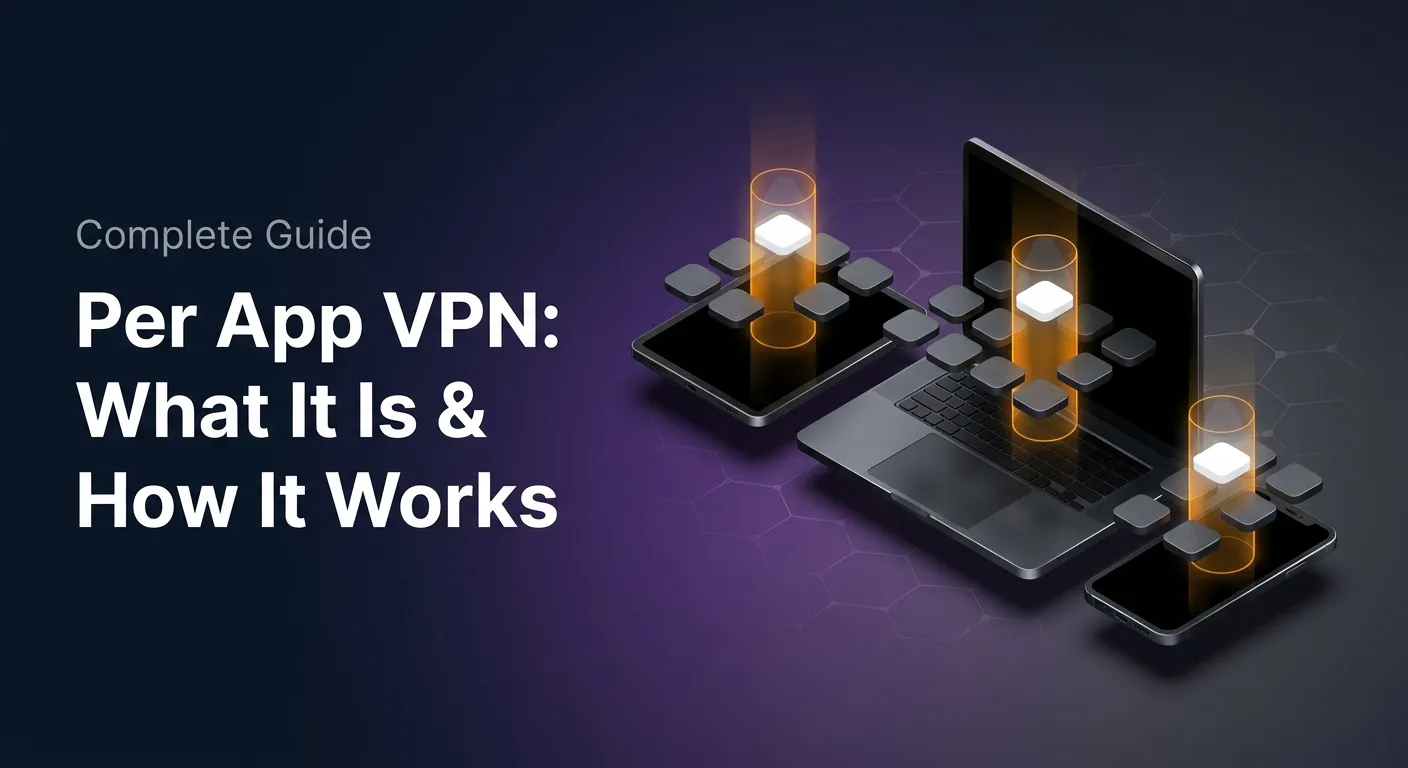
Unlike full-device VPN, per-app VPN tunnels only the apps you choose — and without MDM enforcement, users can bypass it entirely on unmanaged devices.
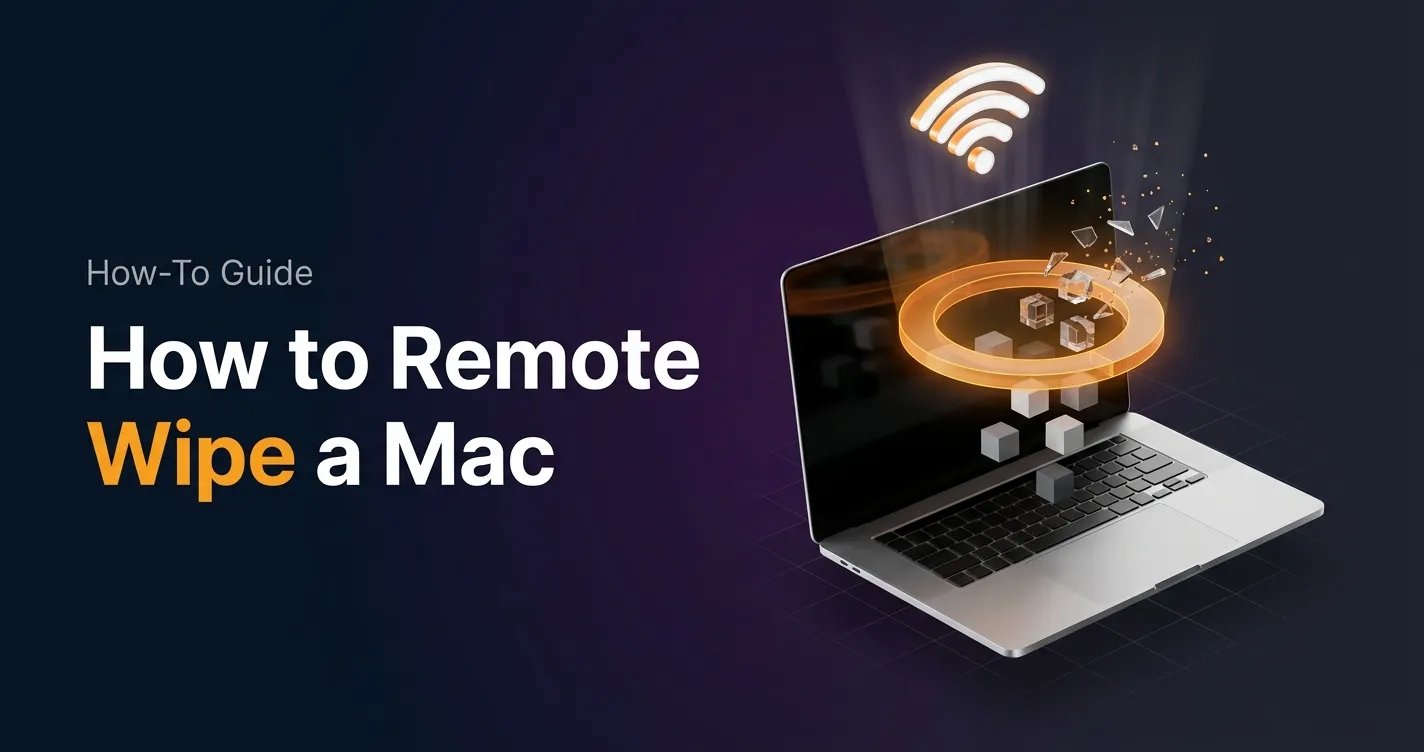
A remote wipe on a Mac is only possible if the right tools are in place first — here is how MDM, Find My, and native macOS each handle device erasure.
Compare SOC 2 Type 1 and Type 2 audits. Discover key differences, audit scope, duration, and how to choose for compliance needs.
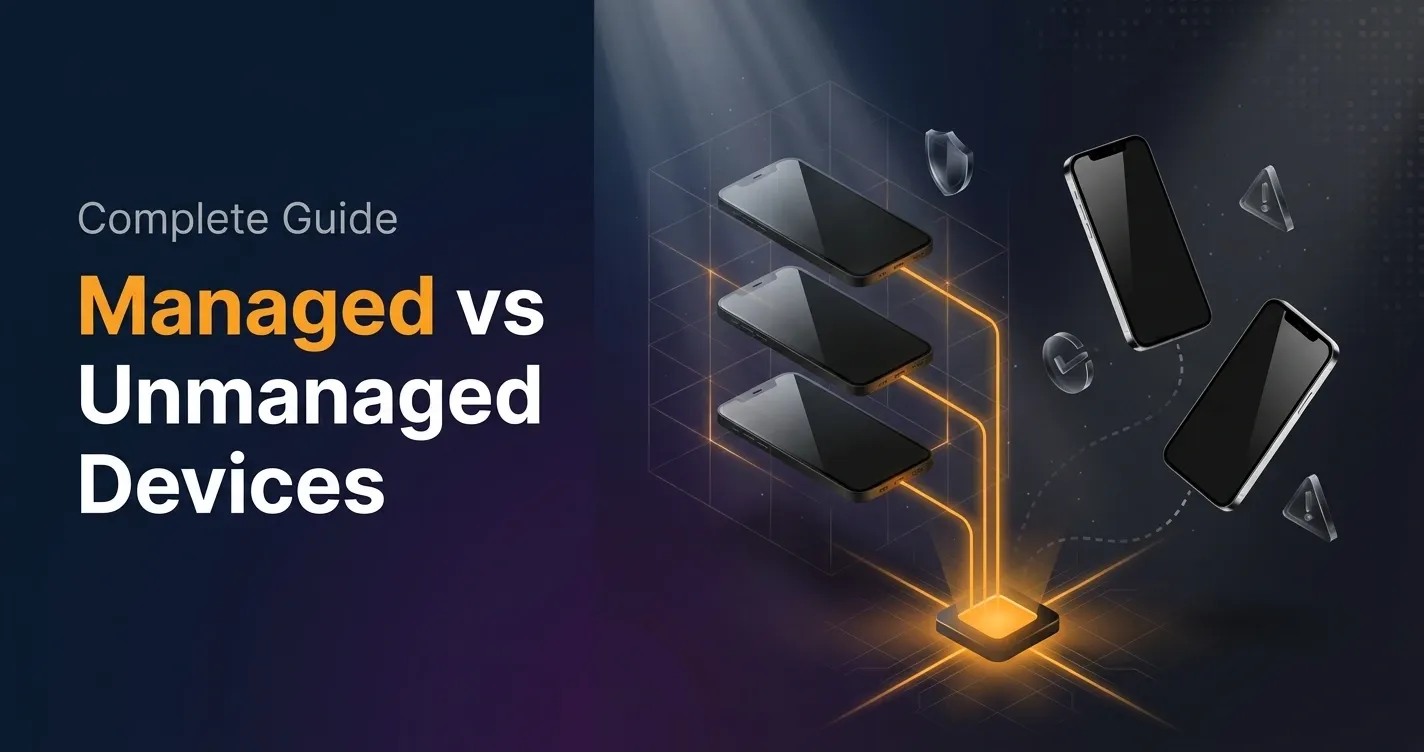
Compare managed and unmanaged devices - definitions, security differences, control levels, and how to choose the right approach for IT.