According to
LLCBuddy, “the worldwide cybersecurity industry will be worth 403 billion by 2027, with a compound annual growth rate of 12.5%.” In a world where businesses are constantly connected to the internet and need cybersecurity protection, firewalls serve as the first line of defense against cyber threats. A firewall monitors incoming and outgoing network traffic, allowing or blocking data based on pre-established security rules. This critical security tool is essential for businesses of all sizes, offering protection from malware, unauthorized access, and other potential security breaches. In this blog, we’ll explore the benefits of firewalls and how they help businesses protect their digital assets.
What Is a Firewall?
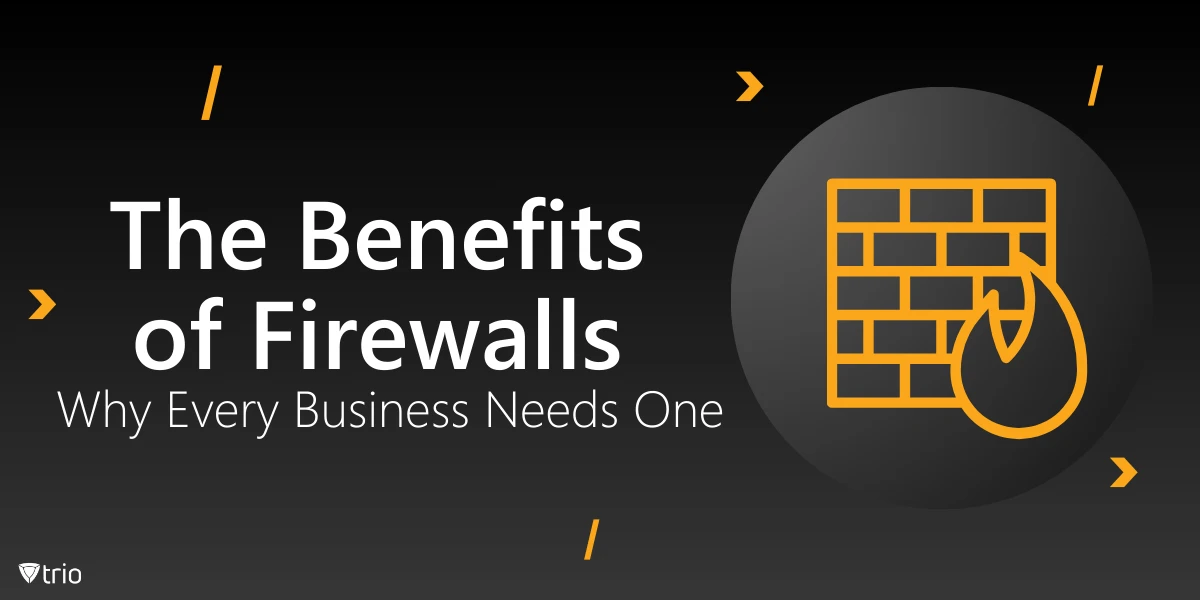
A firewall is a network security system that monitors and controls incoming and outgoing network traffic based on predetermined security rules. It establishes a barrier between a trusted internal network and untrusted external networks, such as the internet, and can help protect systems from cyberattacks and unauthorized access. Types of firewalls include:
- Hardware Firewalls: Physical devices installed on-premises that filter traffic between networks.
- Software Firewalls: Applications installed on individual devices that control traffic and block malicious activities.
- Cloud-Based Firewalls: Virtual firewalls-as-a-service that protect cloud-based infrastructure and workloads.
Each type offers its unique benefits, and businesses often employ a combination to enhance their security posture.
Key Benefits of Firewall Network Security for Businesses
Here are the key benefits of firewall security for businesses:
-
Firewall and Security Protection Against External Threats
One of the primary purposes of a firewall is to shield your network from external threats. Firewalls block malicious traffic, including viruses, ransomware, and malware, before it can infiltrate your network. By inspecting incoming data packets and determining whether they are safe or harmful, firewalls help prevent attackers from gaining unauthorized access to your systems.
For businesses, this protection is invaluable. A successful cyberattack can result in the loss of sensitive data, financial losses, and reputational damage. Firewalls significantly reduce the risk of such breaches.
-
Prevention of Unauthorized Access
Firewalls provide a layer of control over who can access your network. Without a firewall, any device connected to the internet can try to communicate with your system. Firewalls enforce access controls, ensuring only authorized personnel or devices can access your internal network. This feature is especially important for organizations with remote workers or branch offices.
-
Traffic Monitoring and Logging
Firewalls allow businesses to monitor traffic and identify unusual patterns that may indicate an ongoing attack or security issue. By tracking network activity, firewalls provide real-time visibility into what’s happening on your network, helping you respond to threats faster.
Additionally, logging capabilities enable organizations to maintain records of all network activity, which can be valuable for troubleshooting and auditing purposes. These logs can help identify potential vulnerabilities in the system and inform security strategies moving forward.
-
Customizable Security Policies
With firewalls, businesses can create and enforce customized security policies. For example, you can configure your firewall to block access to certain websites, restrict data transfers, or only allow specific devices to connect to your network. Customizing security settings enables businesses to tailor their firewall to their specific needs, balancing security with productivity.
-
Improved Network Performance
Firewalls not only protect against threats but also help improve network performance. By blocking unwanted or unnecessary traffic, firewalls reduce the load on your network, enabling faster and more efficient operations.
This is especially beneficial for businesses that rely on cloud-based services or regularly handle large volumes of data. With less traffic clogging up your bandwidth, your employees can work more efficiently, without interruptions caused by slow internet speeds.
-
Compliance with Regulatory Standards
Many industries, such as healthcare, finance, and government, require businesses to adhere to strict cybersecurity regulations. Firewalls help organizations meet these compliance requirements by providing a robust security solution that protects sensitive data from external threats.
Failing to comply with regulatory standards can result in hefty fines and reputational damage. By implementing a firewall solution, businesses can avoid these risks and ensure they are protecting sensitive data in accordance with industry best practices.
Choosing the Right Firewall for Your Business
Selecting the right firewall depends on the size of your business, the complexity of your network, and the specific security needs of your organization’s
vulnerability management strategy. Consider the following factors when choosing a firewall:
- Scalability: Choose a firewall solution that can scale with your business as it grows.
- Ease of Management: Firewall configuration and management should be easy, especially for small businesses without a dedicated IT department.
- Compatibility: Ensure that the firewall integrates with your existing security infrastructure, including MDM solutions.
- Advanced Features: Look for features such as intrusion prevention, malware detection, and virtual private network (VPN) support.
- Support and Maintenance: Choose a vendor that offers strong customer support and regular updates to address emerging threats.
The Role of Firewalls in a Mobile Device Management (MDM) Environment
For organizations managing a fleet of mobile devices, firewalls play an essential role in securing these endpoints. With remote workers and mobile employees accessing corporate networks from various locations, the need for consistent firewall protection across all devices becomes paramount.
Trio’s
Mobile Device Management (MDM) solution integrates seamlessly with firewall management, allowing IT administrators to configure, monitor, and enforce firewall policies on all enrolled devices. Whether your employees are in the office or working remotely, your network remains protected.
Conclusion: Why Firewalls Are Essential for Your Business
Firewalls are a critical component of any business’s cybersecurity strategy. They protect your network from external threats, prevent unauthorized access, monitor traffic, and help you meet compliance requirements. For businesses using Trio, firewalls offer an additional layer of protection, ensuring that both on-premises and remote devices remain secure.
Take your network security to the next level. Try Trio’s free demo today and discover how easy it is to manage firewall policies across your entire organization. Get your
free trial here.