


Explained
How to Detect Shadow AI in Your Organization
Shadow AI breaches average $4.63M. Here is how to detect shadow AI using DNS logs, OAuth audits, and your endpoint inventory, step by step.
Use these ten best practices for compliance training in IT to foster cybersecurity awareness. Read on to learn more.
Compliance training stands as a fundamental pillar in organizations, ensuring employees understand and adhere to laws, regulations, and ethical standards relevant to their roles. From legal and regulatory compliance to fostering an ethical culture, compliance training plays a pivotal role in shaping organizational behavior and reducing risks. In this blog post, we delve into the realm of Information Technology (IT) and outline ten compliance training best practices tailored to IT professionals.
Compliance training refers to the process of educating employees on the laws, regulations, policies, and ethical standards that apply to their job roles and industry. The primary goal of compliance training is to ensure that employees understand their responsibilities and obligations to adhere to relevant laws and regulations governing their work activities. Key aspects of compliance training include:
This involves educating employees about laws and regulations relevant to their industry, such as labor laws, data protection regulations, anti-discrimination laws, financial regulations, environmental regulations, etc.
Companies often have their own set of policies and procedures that employees must follow. Compliance training includes familiarizing employees with these internal rules to ensure they understand the company's expectations for behavior and performance.
Compliance training may also cover ethical considerations and guidelines for conduct in the workplace. This could include topics such as conflict of interest, bribery, corruption, confidentiality, and professional integrity.
Employees are often trained to recognize and mitigate risks associated with non-compliance. This involves understanding potential consequences of non-compliance, such as legal penalties, financial loss, damage to reputation, and other adverse effects.
Compliance training typically includes guidance on record-keeping requirements and procedures for reporting compliance issues or violations. Employees may learn how to document their actions to demonstrate compliance with regulations and company policies.
Compliance requirements can change over time due to new laws, regulations, or changes within the organization. Therefore, compliance training is an ongoing process that may require periodic updates and refreshers to ensure employees stay current with relevant standards and expectations. 
Compliance training offers numerous benefits for both organizations and employees:

Compliance training for IT (Information Technology) professionals is crucial given the rapidly evolving landscape of data security, privacy regulations, and technological advancements. Here are some specific corporate compliance training best practices in IT:
Emphasize the importance of data security practices, including data encryption, access controls, secure coding techniques, and secure data handling procedures to protect sensitive information from unauthorized access or breaches.
Provide training on data protection regulations such as GDPR (General Data Protection Regulation), CCPA (California Consumer Privacy Act), HIPAA (Health Insurance Portability and Accountability Act), PCI DSS (Payment Card Industry Data Security Standard), and other industry-specific regulations that govern the handling of sensitive data.
Train IT professionals on cybersecurity best practices, including identifying and mitigating cyber threats such as phishing attacks, malware, ransomware, social engineering, and other cybersecurity risks.
Educate IT staff on the organization's incident response plan, including procedures for detecting, reporting, and responding to security incidents, data breaches, and other cybersecurity threats in a timely and effective manner.
Provide training on secure software development practices, including secure coding principles, vulnerability management, threat modeling, and secure software development lifecycle (SDLC) methodologies to build secure applications and systems.
Train IT professionals on the requirements and procedures for compliance audits, assessments, and regulatory inspections, including documentation practices, evidence collection, and cooperation with auditors and regulators.
Educate IT staff on the importance of vetting and managing third-party vendors and service providers to ensure they comply with relevant security and privacy requirements and do not introduce additional risks to the organization.
Provide training on data privacy principles, including data minimization, data retention, data subject rights, consent management, and lawful processing of personal data to ensure compliance with data privacy regulations.
Foster a culture of cybersecurity awareness among all employees, not just IT professionals, through regular training sessions, phishing simulations, and awareness campaigns to promote good security practices and prevent insider threats. Ethics and compliance training best practices can positively affect employees no matter what their department is.
Given the constantly evolving nature of cybersecurity threats and regulations, encourage IT professionals to stay informed about the latest trends, threats, and regulatory changes through ongoing training, professional certifications, conferences, and industry publications.
In closing, compliance training in IT is not just a regulatory necessity but a strategic imperative for organizations operating in today's interconnected and data-driven landscape. By implementing the outlined best practices, organizations can empower their IT professionals to navigate the complex terrain of data security, privacy regulations, and emerging cyber threats effectively. Moreover, investing in continuous learning and adaptation ensures that compliance efforts remain robust and resilient amidst evolving challenges. Thus, by prioritizing comprehensive compliance training, organizations not only mitigate risks but also reinforce their commitment to ethical conduct and long-term success in an ever-changing regulatory environment. Are you ready to take your organization's compliance training to the next level while enhancing your data security measures? Explore how implementing Trio, a robust Mobile Device Management (MDM) solution, can streamline compliance training for IT professionals and bolster your organization's cybersecurity posture. Try out Trio’s free demo today to learn more about how it can help you achieve compliance goals while safeguarding sensitive data.
Every organization today needs a solution to automate time-consuming tasks and strengthen security. Without the right tools, manual processes drain resources and leave gaps in protection. Trio MDM is designed to solve this problem, automating key tasks, boosting security, and ensuring compliance with ease.
Every organization today needs a solution to automate time-consuming tasks and strengthen security. Without the right tools, manual processes drain resources and leave gaps in protection. Trio MDM is designed to solve this problem, automating key tasks, boosting security, and ensuring compliance with ease.





Have questions? We've got answers. This section covers some of the most commonly asked questions related to this topic.
Related
The related industry news, interviews, technologies, and resources.
Shadow AI breaches average $4.63M. Here is how to detect shadow AI using DNS logs, OAuth audits, and your endpoint inventory, step by step.
Declarative device management is Apple's answer to MDM polling delays and unreliable compliance data — here's how it works and how to start using it.
An APNS certificate is what lets your MDM platform send commands to iPhones, iPads, and Macs — here's how to create, renew, and protect it.
Device location history works differently on Android, iPhone, and MDM platforms. Here's what each one actually stores and how to access it.
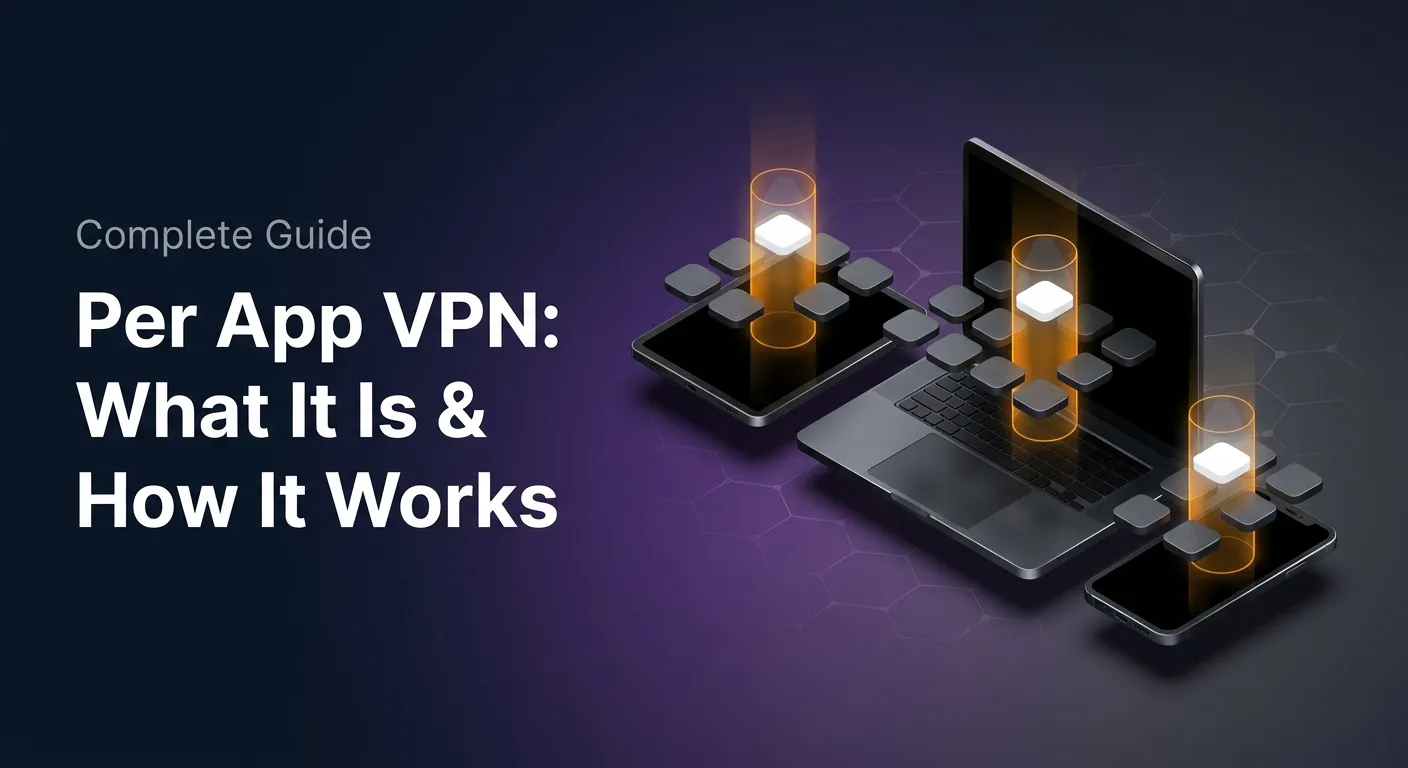
Unlike full-device VPN, per-app VPN tunnels only the apps you choose — and without MDM enforcement, users can bypass it entirely on unmanaged devices.
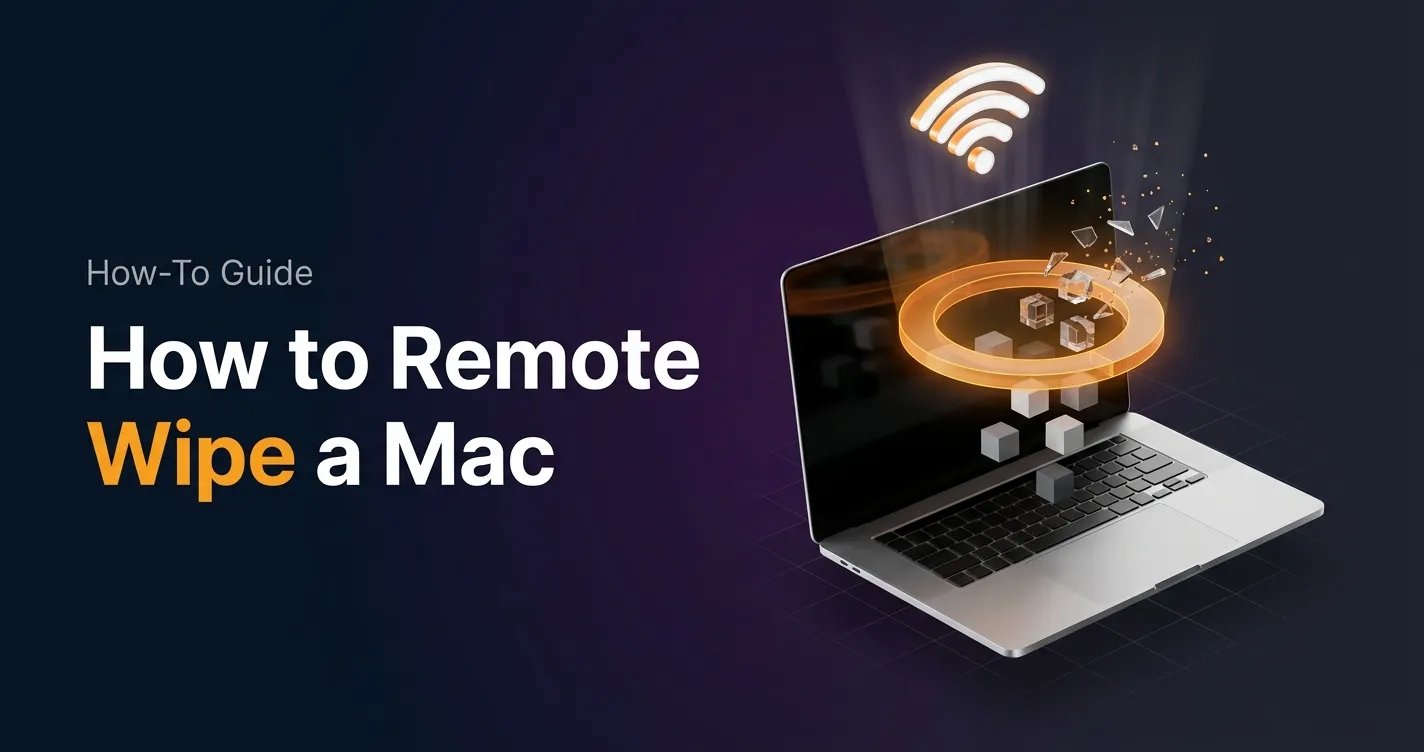
A remote wipe on a Mac is only possible if the right tools are in place first — here is how MDM, Find My, and native macOS each handle device erasure.
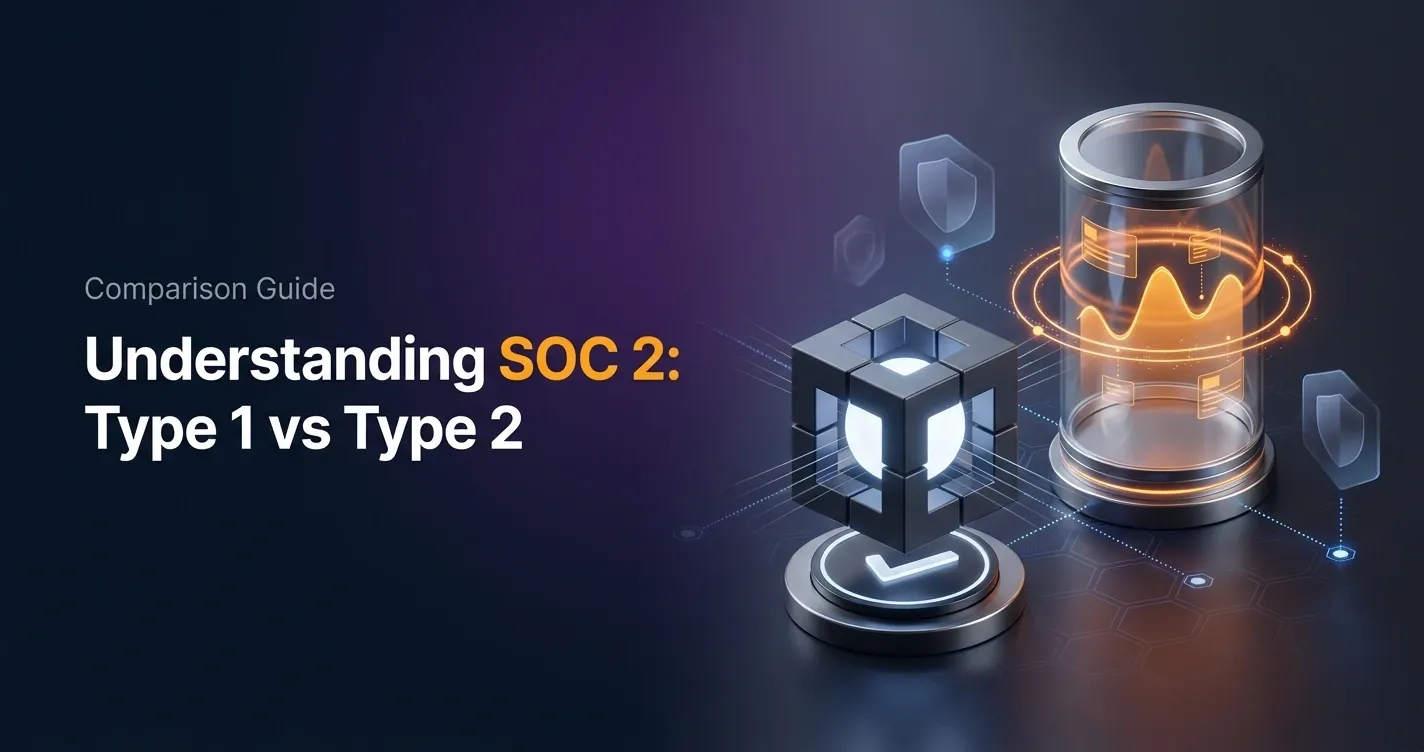
Compare SOC 2 Type 1 and Type 2 audits. Discover key differences, audit scope, duration, and how to choose for compliance needs.

Compare managed and unmanaged devices - definitions, security differences, control levels, and how to choose the right approach for IT.