

Explained
How to Detect Shadow AI in Your Organization
Shadow AI breaches average $4.63M. Here is how to detect shadow AI using DNS logs, OAuth audits, and your endpoint inventory, step by step.
The intricacies of PIM vs PAM, exploring their differences, similarities, and how PIM/PAM security creates a formidable defense against security breaches.
As cyber threats continue to evolve, businesses must implement robust security measures to protect their valuable assets. Two key concepts that play a crucial role in this endeavor are Privileged Identity Management (PIM) and Privileged Access Management (PAM). While these terms are often used interchangeably, they serve distinct purposes in the realm of cybersecurity. This comprehensive guide will delve into the intricacies of PIM vs PAM, exploring their differences, similarities, and how PIM/PAM security creates a formidable defense against potential security breaches.
Privileged Identity Management, commonly referred to as PIM, is a crucial component of modern cybersecurity strategies. At its core, PIM focuses on managing and securing the identities of users who have elevated access rights within an organization's IT infrastructure. These privileged users, such as system administrators, database managers, and network engineers, possess the ability to make significant changes to critical systems and access sensitive data. The primary objective of PIM is to ensure that privileged identities are properly authenticated, authorized, and audited throughout their lifecycle. By implementing robust PIM practices, organizations can minimize the risk of unauthorized access, insider threats, and potential data breaches stemming from compromised privileged accounts.
Identity Lifecycle Management: PIM solutions facilitate the seamless management of privileged identities from creation to retirement. This includes automating the onboarding process, managing role changes, and promptly revoking access when an employee leaves the organization. Role-Based Access Control (RBAC): PIM leverages RBAC to assign privileges based on a user's role and responsibilities within the organization. This approach ensures that users have access only to the resources necessary for their job functions, adhering to the principle of least privilege. Just-in-Time (JIT) Access: PIM systems often incorporate JIT access capabilities, allowing privileged users to request temporary elevated permissions for specific tasks. This approach reduces the attack surface by limiting the duration of privileged access. Comprehensive Auditing and Reporting: PIM solutions provide detailed audit trails of privileged user activities, enabling organizations to monitor and analyze access patterns, detect anomalies, and generate compliance reports.
Adopting a robust PIM solution offers numerous advantages for organizations seeking to enhance their security posture: Reduced Attack Surface: By limiting the number of privileged accounts and implementing JIT access, PIM significantly reduces the potential entry points for attackers. Enhanced Compliance: PIM helps organizations meet regulatory requirements by providing comprehensive audit trails and access controls for privileged identities. Improved Operational Efficiency: Automated workflows and centralized management of privileged identities streamline administrative tasks and reduce the burden on IT teams. Insider Threat Mitigation: PIM helps prevent and detect insider threats by closely monitoring privileged user activities and enforcing the principle of least privilege.
Privileged Access Management, or PAM, is a comprehensive security framework designed to safeguard an organization's most critical assets and sensitive information. While PIM focuses on managing privileged identities, PAM takes a broader approach by encompassing the entire lifecycle of privileged access, including authentication, authorization, monitoring, and auditing of privileged sessions. PAM solutions aim to provide granular control over who can access sensitive systems and data, when they can access it, and what actions they can perform during their privileged sessions. By implementing robust PAM practices, organizations can significantly reduce the risk of data breaches, insider threats, and unauthorized access to critical resources.
Privileged Account Discovery: PAM solutions help organizations identify and inventory all privileged accounts across their IT infrastructure, including human and non-human accounts (such as service accounts and application identities). Credential Vaulting: PAM systems securely store and manage privileged credentials, often using encryption and secure vaults to protect sensitive login information from unauthorized access. Session Monitoring and Recording: PAM solutions provide real-time monitoring and recording of privileged sessions, allowing security teams to detect and respond to suspicious activities promptly. Access Control and Workflow Management: PAM implements granular access controls and approval workflows to ensure that privileged access is granted only when necessary and with proper authorization.
Implementing a comprehensive PAM solution offers several significant advantages for organizations: Enhanced Security Posture: PAM helps organizations protect their most valuable assets by implementing strong access controls and monitoring capabilities for privileged accounts. Regulatory Compliance: PAM solutions assist in meeting various compliance requirements by providing detailed audit trails, access controls, and reporting capabilities. Reduced Risk of Data Breaches: By limiting and monitoring privileged access, PAM significantly reduces the risk of data breaches resulting from compromised privileged accounts. Improved Operational Efficiency: PAM streamlines privileged access workflows, reducing administrative overhead and improving overall IT operational efficiency. 
While PIM and PAM share the common goal of enhancing an organization's security posture by managing privileged access, they approach this objective from different angles. Understanding the key differences and similarities between these two concepts is crucial for organizations looking to implement a comprehensive privileged access security strategy.
The primary distinction between PIM and PAM lies in their scope and focus:
Both PIM and PAM implement access control mechanisms, but with different emphases:
While both solutions offer monitoring and auditing features, their focus differs:
PIM and PAM solutions often integrate with existing IT infrastructure, but their integration points may vary:
To maximize the effectiveness of PIM and PAM solutions, organizations should consider implementing the following best practices:
Selecting the appropriate PIM/PAM solution for your organization requires careful consideration of various factors. Here are some key aspects to evaluate when choosing a solution:
As we've explored throughout this article, Privileged Identity Management (PIM) and Privileged Access Management (PAM) are essential components of a robust cybersecurity strategy. While they approach privileged access security from different angles, both PIM and PAM play crucial roles in protecting an organization's most valuable assets and sensitive information. For organizations seeking a comprehensive solution to address their privileged access security needs, Trio MDM offers a robust platform that combines the best of PIM and PAM functionalities. Trio MDM's solution provides advanced features such as granular access control, real-time monitoring, and seamless integration with existing IT infrastructure. By leveraging Trio MDM's expertise in privileged access security, organizations can enhance their security posture, streamline operations, and meet compliance requirements with confidence. To experience the benefits of Trio MDM's PIM/PAM solution firsthand, we invite you to start a free demo today. Discover how Trio MDM can help your organization navigate the complexities of privileged access security and build a resilient defense against evolving cyber threats.
Every organization today needs a solution to automate time-consuming tasks and strengthen security. Without the right tools, manual processes drain resources and leave gaps in protection. Trio MDM is designed to solve this problem, automating key tasks, boosting security, and ensuring compliance with ease.
Every organization today needs a solution to automate time-consuming tasks and strengthen security. Without the right tools, manual processes drain resources and leave gaps in protection. Trio MDM is designed to solve this problem, automating key tasks, boosting security, and ensuring compliance with ease.





Have questions? We've got answers. This section covers some of the most commonly asked questions related to this topic.
Related
The related industry news, interviews, technologies, and resources.
Shadow AI breaches average $4.63M. Here is how to detect shadow AI using DNS logs, OAuth audits, and your endpoint inventory, step by step.
Declarative device management is Apple's answer to MDM polling delays and unreliable compliance data — here's how it works and how to start using it.

An APNS certificate is what lets your MDM platform send commands to iPhones, iPads, and Macs — here's how to create, renew, and protect it.
Device location history works differently on Android, iPhone, and MDM platforms. Here's what each one actually stores and how to access it.
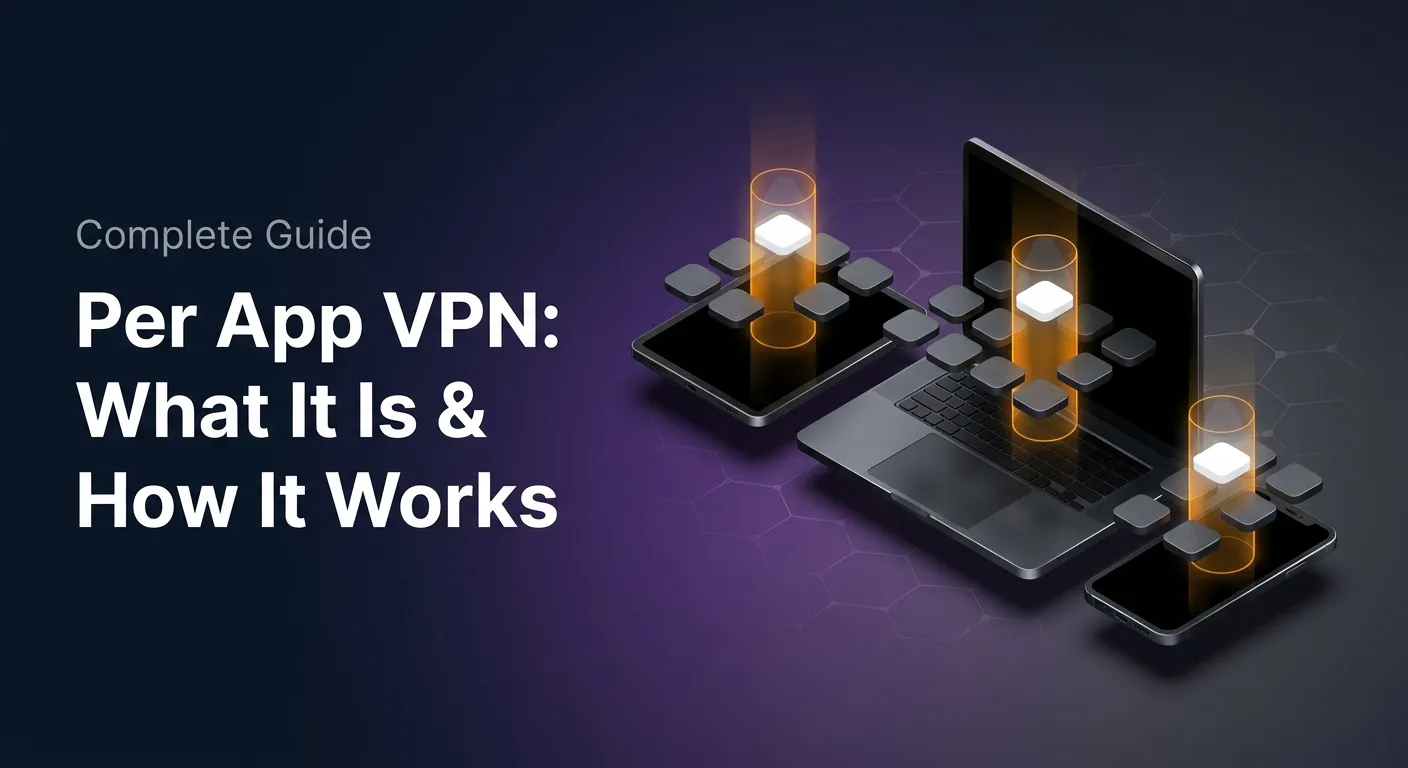
Unlike full-device VPN, per-app VPN tunnels only the apps you choose — and without MDM enforcement, users can bypass it entirely on unmanaged devices.
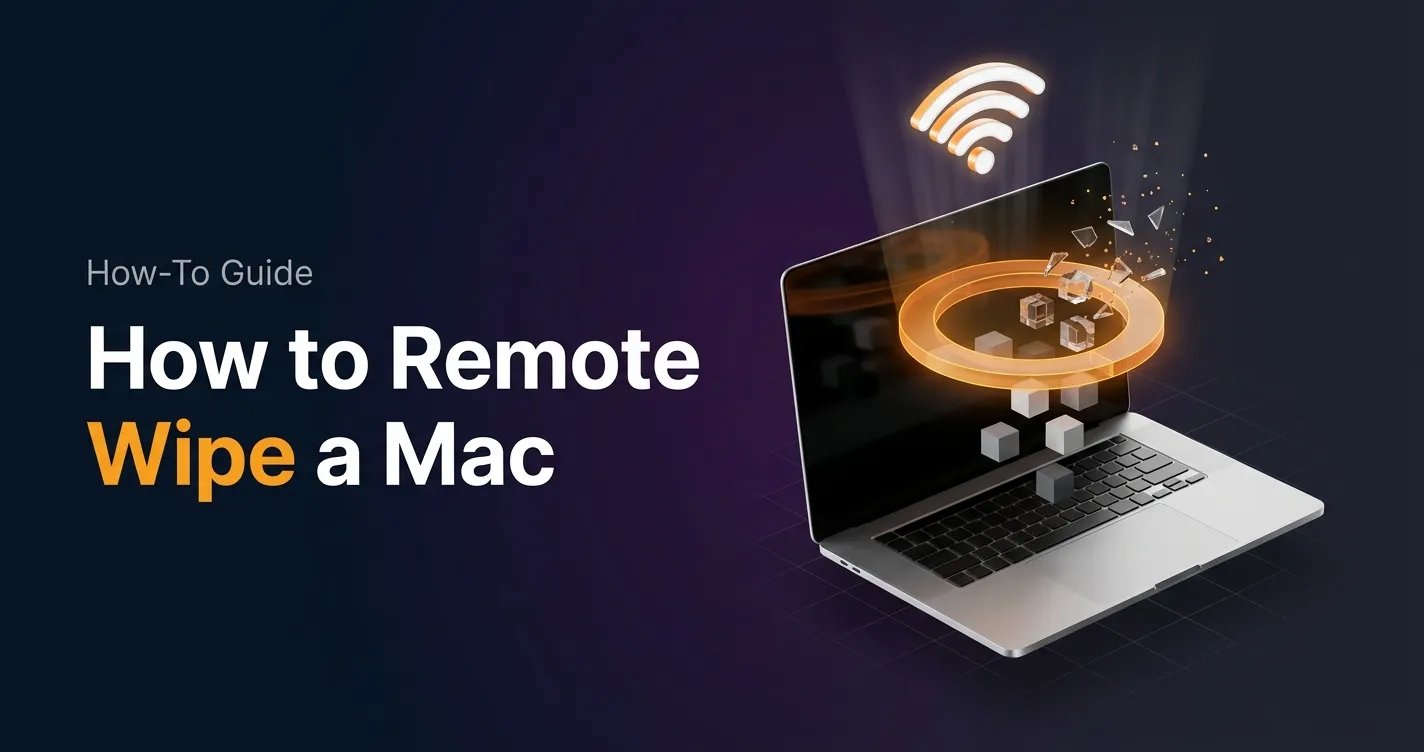
A remote wipe on a Mac is only possible if the right tools are in place first — here is how MDM, Find My, and native macOS each handle device erasure.
Compare SOC 2 Type 1 and Type 2 audits. Discover key differences, audit scope, duration, and how to choose for compliance needs.
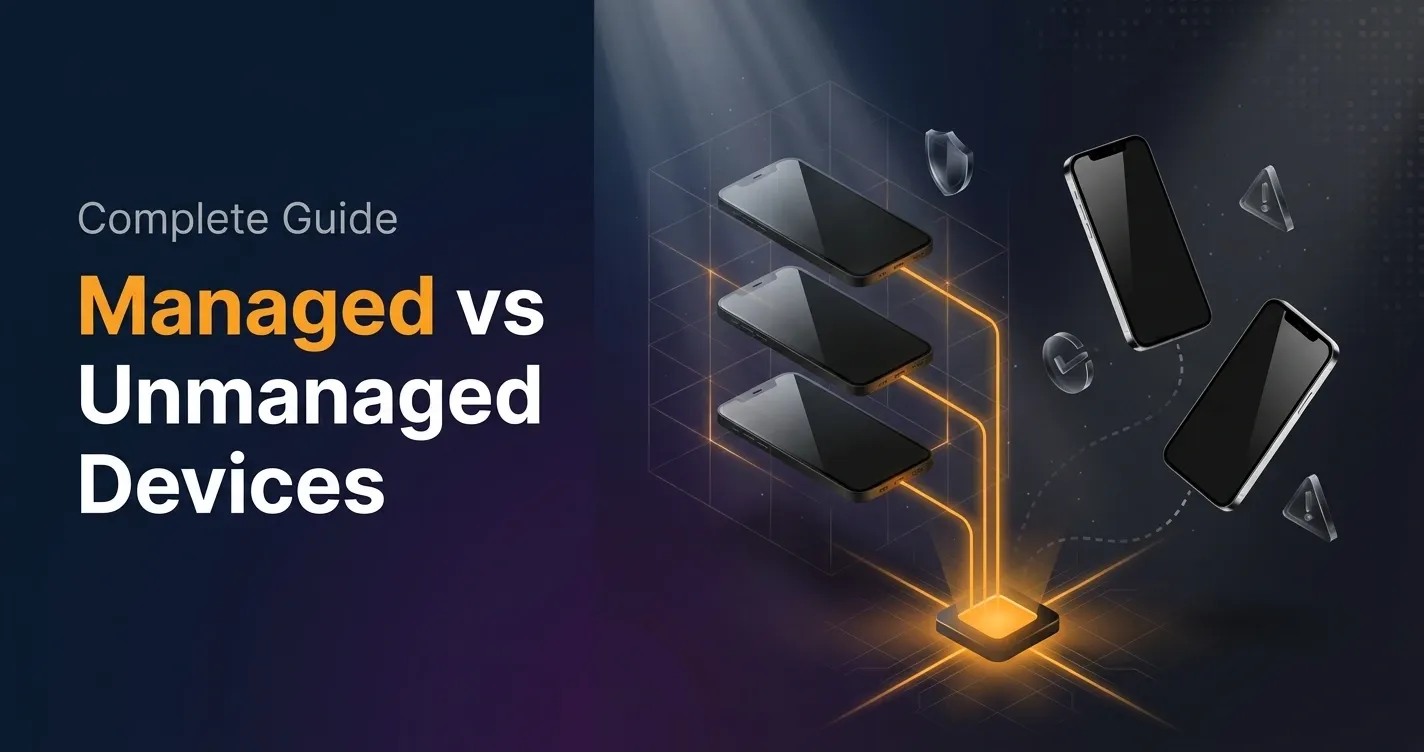
Compare managed and unmanaged devices - definitions, security differences, control levels, and how to choose the right approach for IT.