


School
How to Start a 1:1 Device Program in K-12
A practical guide to launching a 1:1 device program in K-12, covering CIPA compliance, device selection, AUE planning, and what most rollouts get wrong.
We'll discuss remote code execution vulnerability and its risks. Learn how to protect your systems from this critical cybersecurity threat.
Cybersecurity threats are ever-evolving, and one of the most critical vulnerabilities that IT professionals must be aware of is the remote code execution vulnerability. This blog post will delve deep into the intricacies of this security flaw, providing you with essential knowledge and practical strategies to protect your systems.
Remote code execution (RCE) vulnerability is a critical security flaw that allows an attacker to execute malicious code on a target system from a remote location. This type of vulnerability can have severe consequences, potentially giving attackers full control over the affected system. RCE vulnerabilities often arise from flaws in input validation, deserialization processes, or outdated software components. They can exist in various types of applications, including web applications, network services, and even desktop software that communicates over the network.
To better understand the concept, let’s consider a remote code execution vulnerability example: Imagine a web application that allows users to upload profile pictures. If the application doesn’t properly validate the uploaded files, an attacker could potentially upload a malicious PHP script disguised as an image file. When the server attempts to process this “image,” it might execute the PHP code, giving the attacker unauthorized access to the server. Another example could be a vulnerability in a network service that processes user-supplied data. If the service doesn’t properly sanitize this data, an attacker could craft a specially formatted request that includes malicious code. When the service processes this request, it inadvertently executes the attacker’s code on the server.
RCE vulnerabilities pose significant risks to organizations: Data Breach: Attackers can access and exfiltrate sensitive information, including personal data, financial records, or intellectual property. This can lead to severe financial losses and legal consequences. System Compromise: Full control over the affected system can be achieved, allowing attackers to install additional malware, modify system configurations, or use the compromised system as a launchpad for further attacks. Lateral Movement: Attackers may use the compromised system as a stepping stone to infiltrate other parts of the network. This can lead to a widespread compromise of the entire organization’s infrastructure. Reputation Damage: Security breaches can lead to loss of customer trust and potential legal consequences. The negative publicity associated with a major security incident can have long-lasting effects on an organization’s reputation and bottom line. Financial Impact: Beyond the immediate costs of incident response and system recovery, organizations may face fines for non-compliance with data protection regulations, loss of business, and potential lawsuits from affected parties. Operational Disruption: RCE attacks can lead to system downtime, affecting business operations and causing productivity losses.
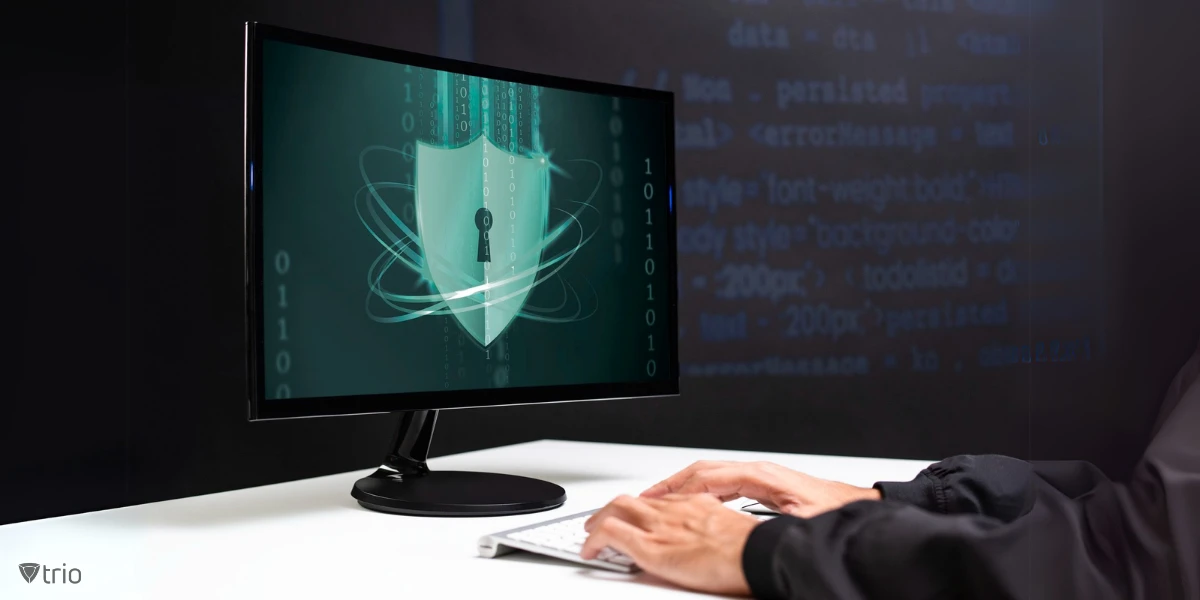
Prevention is key when it comes to RCE vulnerabilities. Here are some essential strategies to implement:
If you discover an RCE vulnerability in your system, take immediate action:
Several tools can assist in identifying and mitigating RCE vulnerabilities:
Remember, while these remote code execution vulnerability tools are valuable, they should be used as part of a comprehensive security strategy and not relied upon exclusively. Each tool has its strengths and limitations, and a multi-layered approach to security is always recommended.
To maintain a robust defense against RCE vulnerabilities:
In the context of remote code execution vulnerabilities and overall cybersecurity, mobile device management (MDM) solutions like Trio plays a crucial role.
We invite you to experience the power of Trio MDM in enhancing your organization’s mobile security posture. Sign up for our free demo to see how Trio can help protect your mobile fleet against remote code execution vulnerabilities and other cybersecurity threats.
Remote code execution vulnerabilities represent a significant threat to IT infrastructure. By understanding the nature of these vulnerabilities, implementing strong preventive measures, and utilizing appropriate tools and practices, you can significantly reduce the risk of successful attacks. Remember, cybersecurity is an ongoing process, and staying vigilant is key to protecting your systems and data from evolving threats. Regular training, continuous monitoring, and a commitment to security best practices are essential components of a robust cybersecurity strategy. As the threat landscape continues to evolve, so too must our defenses. By staying informed about the latest threats, continuously improving our security posture, and leveraging advanced tools like Trio MDM, we can create resilient systems that can withstand the challenges of today’s digital world.
Every organization today needs a solution to automate time-consuming tasks and strengthen security. Without the right tools, manual processes drain resources and leave gaps in protection. Trio MDM is designed to solve this problem, automating key tasks, boosting security, and ensuring compliance with ease.
Every organization today needs a solution to automate time-consuming tasks and strengthen security. Without the right tools, manual processes drain resources and leave gaps in protection. Trio MDM is designed to solve this problem, automating key tasks, boosting security, and ensuring compliance with ease.





Have questions? We've got answers. This section covers some of the most commonly asked questions related to this topic.
Related
The related industry news, interviews, technologies, and resources.
A practical guide to launching a 1:1 device program in K-12, covering CIPA compliance, device selection, AUE planning, and what most rollouts get wrong.

Schools managing Chromebook fleets need systems for enrollment, repairs, and access control — this guide covers the methods that actually hold up at scale.
Are iPads in schools effective? Discover how they boost learning, streamline teaching, and stay secure with MDM.
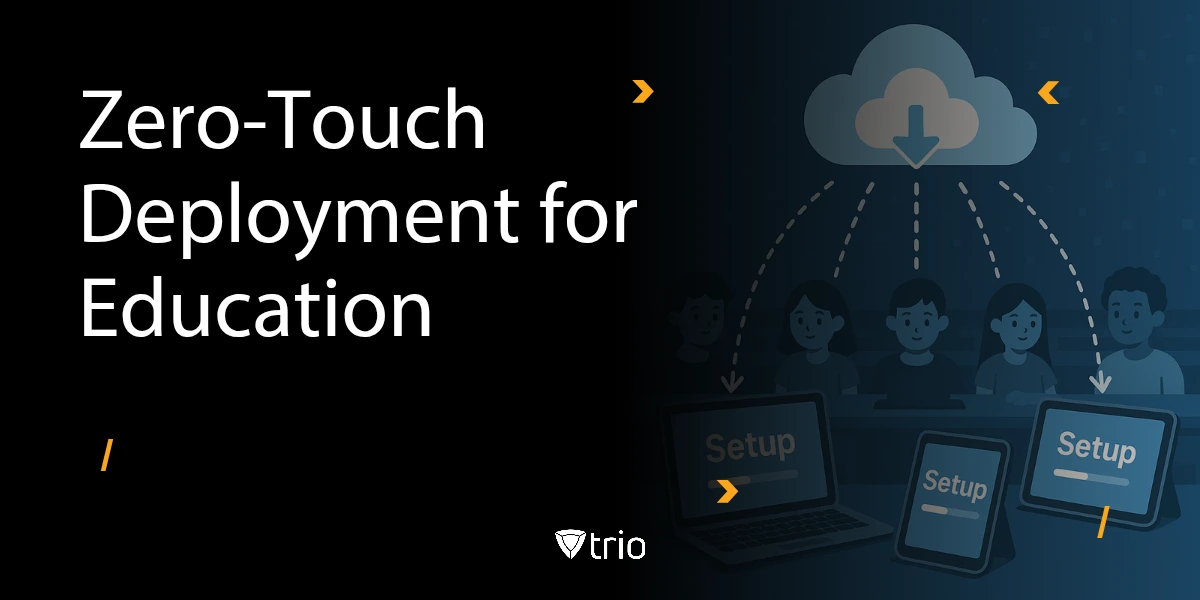
Ditch manual device setup. Learn how zero-touch deployment automates enrollment and security policies for all school-owned and BYOD devices.

Discover how student management software revolutionizes education by streamlining administrative tasks, improving communication, and enhancing learning.
Improve classroom communication with the right apps. Trio MDM helps schools manage devices and ensure secure, effective learning environments.
Understand school staff management systems - key functions, compliance requirements, and the IT integration gap schools need to address.
Struggling with school network management? Learn how to manage all computers on a school network with automation, security, and performance tips.