
Explained

The Future of Login Security: From Passwords to Passkeys

Passkeys, stored securely in Google Password Manager, are end-to-end encrypted. Learn about how passkeys eliminate the need for traditional passwords.

Mountain landscape representing leadership perspective and vision
Written by
Trio Content Team
Published on
30 Sep 2025
Modified on
07 May 2026
As the digital world evolves, so do the security measures to protect it. For years, passwords have been the primary method of authentication, but they’ve become increasingly vulnerable to sophisticated cyberattacks. Enter passkeys, a promising solution designed to replace traditional passwords with a more secure and user-friendly alternative. Companies like Google, Apple, and Microsoft, in collaboration with the FIDO Alliance, are pushing passkeys as the future of login security.  

The Limitations of Traditional Passwords

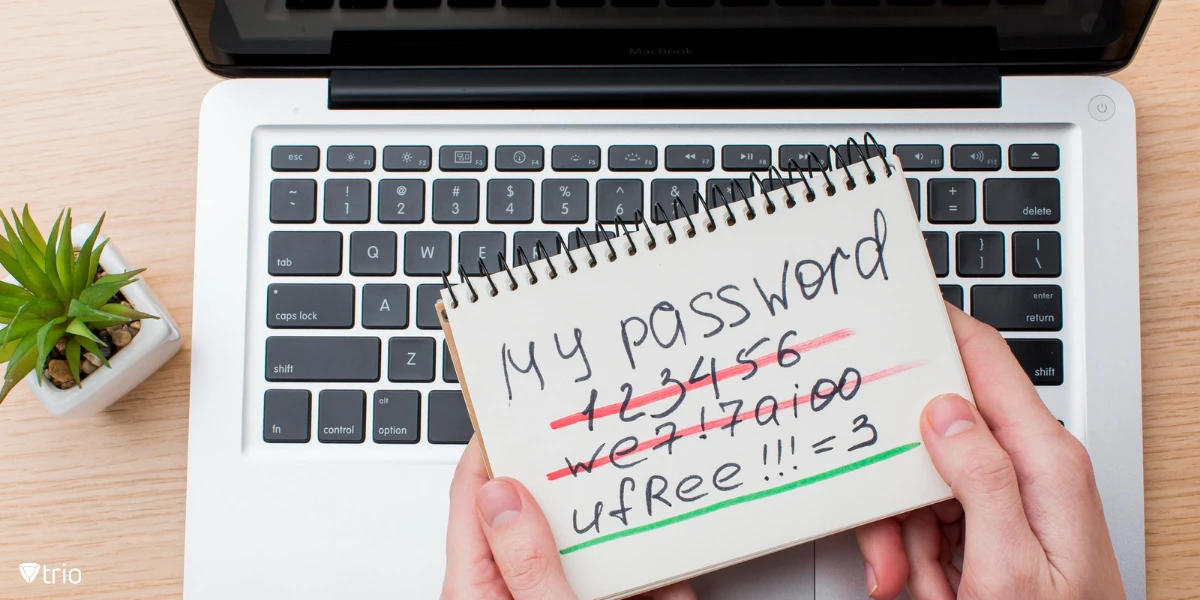
Passwords have long been the cornerstone of digital security, but they come with inherent vulnerabilities. Hackers often use techniques like brute force attacks, credential stuffing, and phishing to steal passwords. Despite encryption measures like hashing, which converts passwords into unreadable strings of data, malicious actors can reverse the process with enough time and computational power. Longer passwords and complex passphrases can offer some protection, but they don’t completely mitigate the risks. Studies reveal that poor password practices remain widespread, leaving organizations exposed to threats. For example, reusing passwords across multiple accounts increases the chances of a data breach. Additionally, as password-cracking tools become more advanced, it’s increasingly difficult for businesses to rely solely on password-based security.  

What Are Passkeys?

Passkeys aim to address these vulnerabilities by eliminating passwords altogether. They rely on biometric data, such as fingerprints or facial recognition, and store credentials securely on a user’s device. Unlike passwords, passkeys are phishing-resistant, meaning hackers cannot easily intercept or manipulate them. They are also designed to be more convenient—once saved on one device, passkeys automatically sync across all other devices in a user's ecosystem, ensuring a seamless and secure login experience. This shift towards passwordless authentication is a game-changer. By leveraging public key cryptography, passkeys enable users to verify their identity without transmitting sensitive data over the internet. For businesses, this not only enhances security but also reduces the need for complex password policies and resets, which are often points of friction for IT teams.  

How Passkeys Improve Security for Organizations

Passkeys provide several security benefits over traditional passwords. First, they eliminate the risk of phishing, as users don’t need to type in credentials or click on suspicious links. Additionally, passkeys are stored locally on devices and encrypted with end-to-end security, meaning that even service providers like Google cannot access them. For organizations, the implementation of passkeys can simplify identity and access management. IT teams no longer have to worry about enforcing strong password policies or managing frequent password changes. Instead, they can focus on integrating passkey support into their existing security infrastructure, enhancing protection without compromising user experience. Forbes reports that Google is advancing its push for a password-less future by introducing secure syncing of passkeys across multiple devices, including Windows, macOS, Linux, and Android, with iOS support coming soon. This update eliminates the need for scanning QR codes, making it more convenient for users to access passkeys saved in Google Password Manager. The system ensures that passkeys are end-to-end encrypted and secure, adding an extra layer of protection for users across various platforms.  

The Road Ahead

While passkeys are a significant step forward, it’s important to recognize that no security solution is perfect. Organizations must continue to adopt a multi-layered security strategy, combining passkeys with other tools like multi-factor authentication (MFA), firewalls, and endpoint security solutions. In conclusion, passkeys represent a promising future in authentication, offering both simplicity and enhanced security. As more platforms adopt this technology, we can expect a shift away from traditional passwords and towards a safer digital landscape.

Ready-to-use Templates

Must-have Template Toolkit for IT Admins

Explore All
Template Toolkit

Start your free trial

No credit card required
Full access to all features

Get Ahead of the Curve

Every organization today needs a solution to automate time-consuming tasks and strengthen security. Without the right tools, manual processes drain resources and leave gaps in protection. Trio MDM is designed to solve this problem, automating key tasks, boosting security, and ensuring compliance with ease.


Don't let inefficiencies hold you back.

Every organization today needs a solution to automate time-consuming tasks and strengthen security. Without the right tools, manual processes drain resources and leave gaps in protection. Trio MDM is designed to solve this problem, automating key tasks, boosting security, and ensuring compliance with ease.

Smiling womanAbstract geometric patternAbstract geometric patternSmiling womanSmiling woman

Frequently Asked Questions (FAQ)

Have questions? We've got answers. This section covers some of the most commonly asked questions related to this topic.

Yes, you can try us free for 14 days. If you'd like, we'll also provide a free, personalized 30-minute onboarding call to help you get up and running quickly.

Yes, you can upgrade or downgrade your plan at any time. Changes will be reflected in your next billing cycle.

You can cancel your subscription at any time. Your account will remain active until the end of the current billing period.

Yes, you can add company details such as your business name, address, or tax ID to your invoice from your billing settings.

Billing is handled automatically based on your selected plan and billing cycle (monthly or annually). Charges are applied to the payment method you provide.

You can update your account email in your profile or account settings. A confirmation may be required for security purposes.

Related

From the blog

The related industry news, interviews, technologies, and resources.