


Explained
How to Detect Shadow AI in Your Organization
Shadow AI breaches average $4.63M. Here is how to detect shadow AI using DNS logs, OAuth audits, and your endpoint inventory, step by step.
Organization are responsible with learning how to protect employee data. Here are six tips every organization should know.
Accurate employee data is crucial for the efficient functioning of any organization. It serves as the backbone for HR processes, from recruitment and onboarding to performance evaluations and payroll management. Precise data ensures compliance with legal requirements, supports strategic decision-making, and enhances employee satisfaction by streamlining administrative tasks. However, protecting and manageing employee data comes with its set of challenges. These include ensuring data accuracy, maintaining data security, and complying with evolving data protection regulations. Overcoming these challenges requires a well-thought-out IT risk management strategy that encompasses defining data requirements, choosing the right tools, and implementing robust data management practices.
Before learning how to protect sensitive data, it's essential to identify what information is necessary. Key data fields typically include personal details, job titles, employment history, performance records, and compensation details. Understanding the specific needs of your organization will help in determining which data points are critical for your HR operations. Additionally, staying informed about legal and compliance requirements is vital. Different jurisdictions have specific laws regarding data collection, storage, and usage. Ensuring your data practices align with these regulations will help avoid legal complications and protect your organization from potential fines and reputational damage.
Selecting the appropriate tools and software for protecting employee sensitive data in the workplace is a crucial step. Modern HR software offers comprehensive solutions that streamline data entry, storage, and retrieval processes. When evaluating options, consider factors such as ease of use, scalability, integration capabilities, and customer support. Software can also help monitor employee data more efficiently. According to WifiTalents, “78% of companies reported that monitoring reduced security incidents." Integrating your data management systems can further enhance vulnerability management efficiency. For instance, linking HR software with payroll systems, time-tracking tools, and performance management platforms can create a seamless flow of information, reducing manual data entry and minimizing the risk of errors. 
Creating consistent data entry guidelines is essential for maintaining data accuracy. Standardized procedures ensure that all necessary information is captured uniformly, making it easier to manage and analyze. This involves defining clear protocols for data collection, entry formats, and updating processes. Training employees on data entry best practices is equally important for protecting personal information in the workplace. Providing comprehensive training sessions and reference materials can help employees understand the importance of accurate data entry and adhere to the established guidelines, thereby minimizing the chances of errors and inconsistencies.
Protecting sensitive employee information is a top priority for any organization. Implementing robust data security measures, such as encryption, access controls, and regular security audits, can prevent data breaches and unauthorized access. Ensuring that only authorized personnel have access to sensitive information is critical. Compliance with data privacy regulations, such as GDPR or CCPA, is non-negotiable. Regularly reviewing and updating your data security policies to align with these regulations will help maintain compliance and protect your organization from legal repercussions. These also help maintain protected employee data safe from leaking into the hands of hackers.
Regularly updating employee data is crucial for maintaining its accuracy and relevance. Establish protocols for periodic reviews and updates to ensure that changes in employee status, such as promotions, transfers, or terminations, are promptly recorded. Conducting periodic data audits can help identify and rectify discrepancies. Audits involve reviewing the data for accuracy, completeness, and consistency, ensuring that any errors are corrected, and outdated information is removed.
Making employee data accessible to authorized personnel is essential for efficient HR operations. Utilizing user-friendly data management interfaces can enhance usability, ensuring that HR teams can easily access and work with the data they need. But HR teams should be trained on handling sensitive data of employees and on how to be professional. Data accessibility should be balanced with security considerations. Implementing role-based access controls ensures that sensitive information is only available to those who need it, ensuring employee data protection and maintaining data integrity.
Continuous improvement in data management practices is vital for long-term success. Regularly reviewing and updating your data management strategies can help address emerging challenges and capitalize on new opportunities. Encouraging a culture of data accuracy and integrity within your organization ensures that everyone understands the importance of maintaining high-quality data Mobile Device Management (MDM) solutions, such as Trio, can play a crucial role in enhancing employee data management. Trio's MDM solution offers comprehensive features like remote device management, data encryption, and compliance monitoring, making it an invaluable tool for maintaining data security and integrity. Sign up for a free demo today and experience the benefits of a robust MDM solution firsthand.
Every organization today needs a solution to automate time-consuming tasks and strengthen security. Without the right tools, manual processes drain resources and leave gaps in protection. Trio MDM is designed to solve this problem, automating key tasks, boosting security, and ensuring compliance with ease.
Every organization today needs a solution to automate time-consuming tasks and strengthen security. Without the right tools, manual processes drain resources and leave gaps in protection. Trio MDM is designed to solve this problem, automating key tasks, boosting security, and ensuring compliance with ease.





Have questions? We've got answers. This section covers some of the most commonly asked questions related to this topic.
Related
The related industry news, interviews, technologies, and resources.
Shadow AI breaches average $4.63M. Here is how to detect shadow AI using DNS logs, OAuth audits, and your endpoint inventory, step by step.
Declarative device management is Apple's answer to MDM polling delays and unreliable compliance data — here's how it works and how to start using it.
An APNS certificate is what lets your MDM platform send commands to iPhones, iPads, and Macs — here's how to create, renew, and protect it.
Device location history works differently on Android, iPhone, and MDM platforms. Here's what each one actually stores and how to access it.
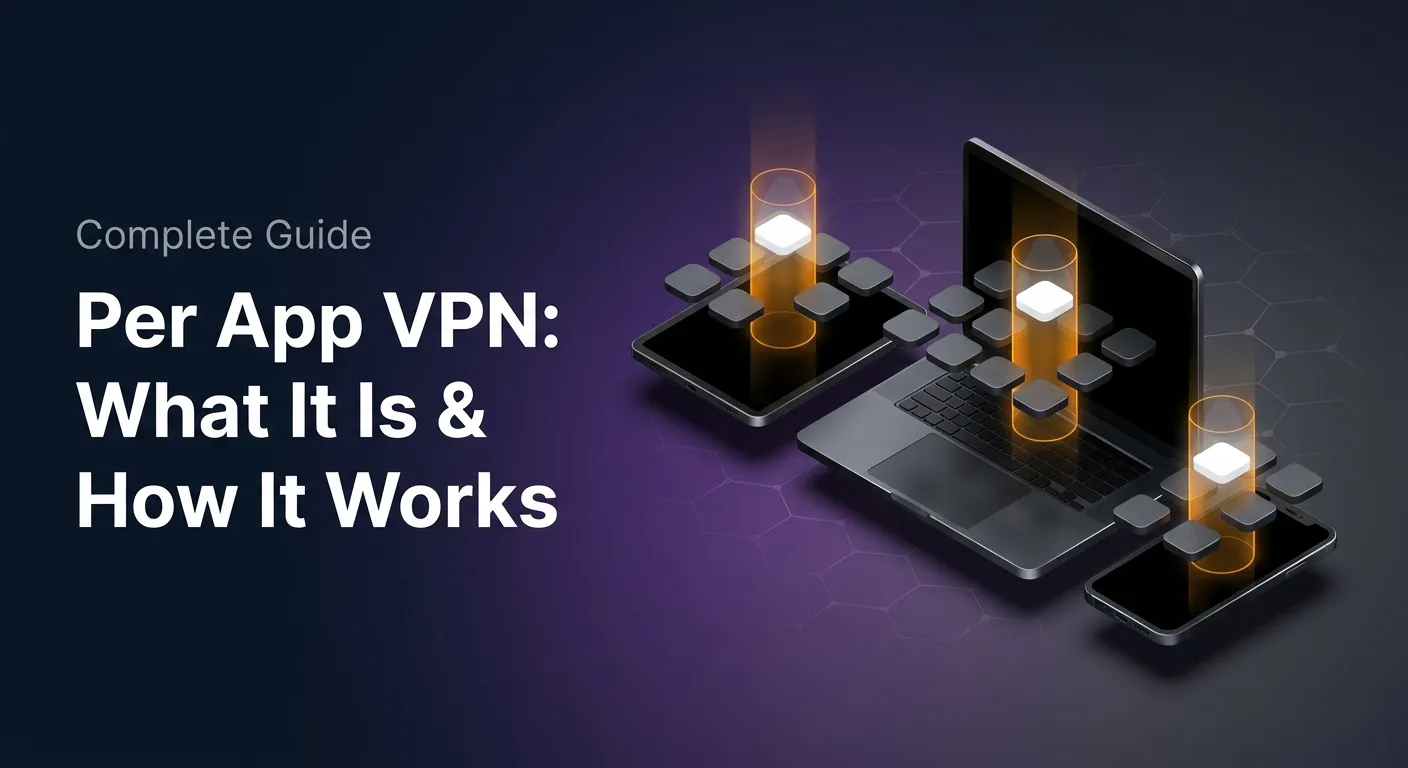
Unlike full-device VPN, per-app VPN tunnels only the apps you choose — and without MDM enforcement, users can bypass it entirely on unmanaged devices.
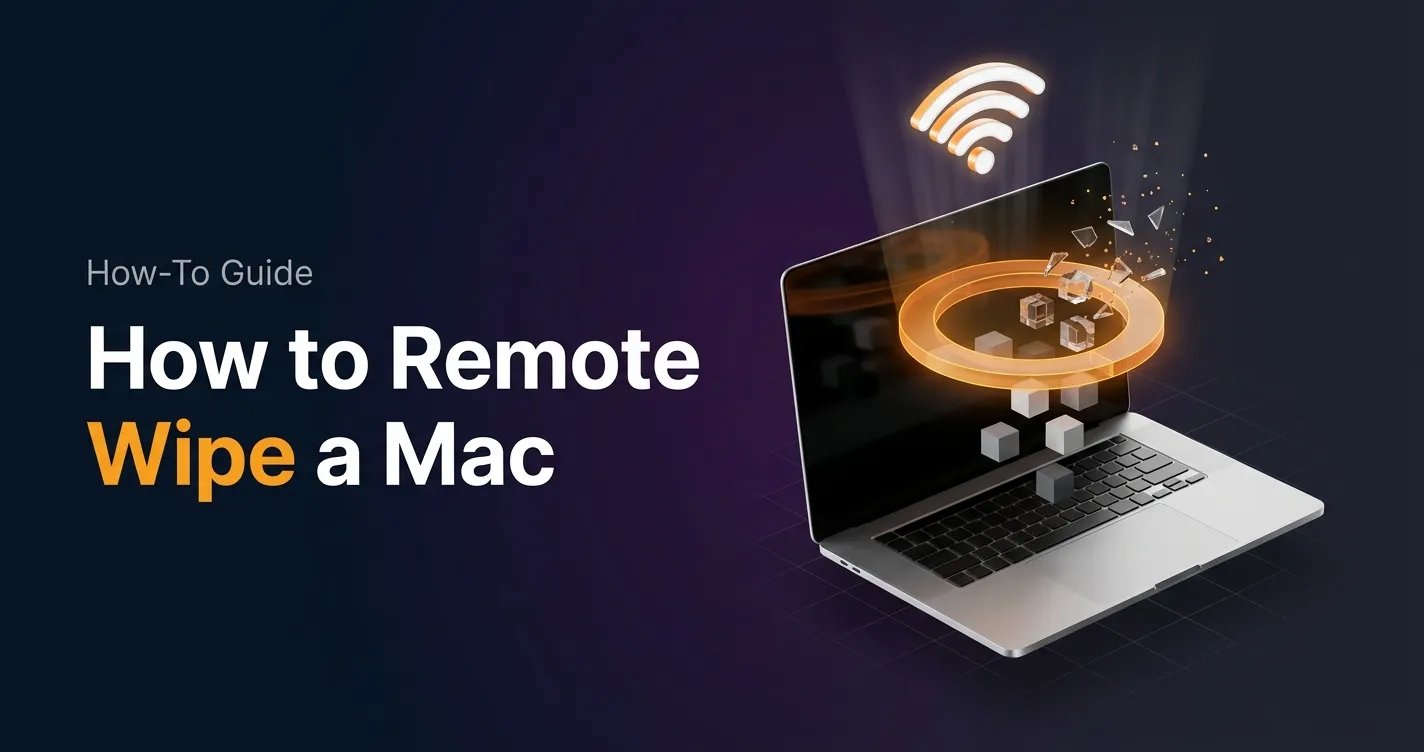
A remote wipe on a Mac is only possible if the right tools are in place first — here is how MDM, Find My, and native macOS each handle device erasure.
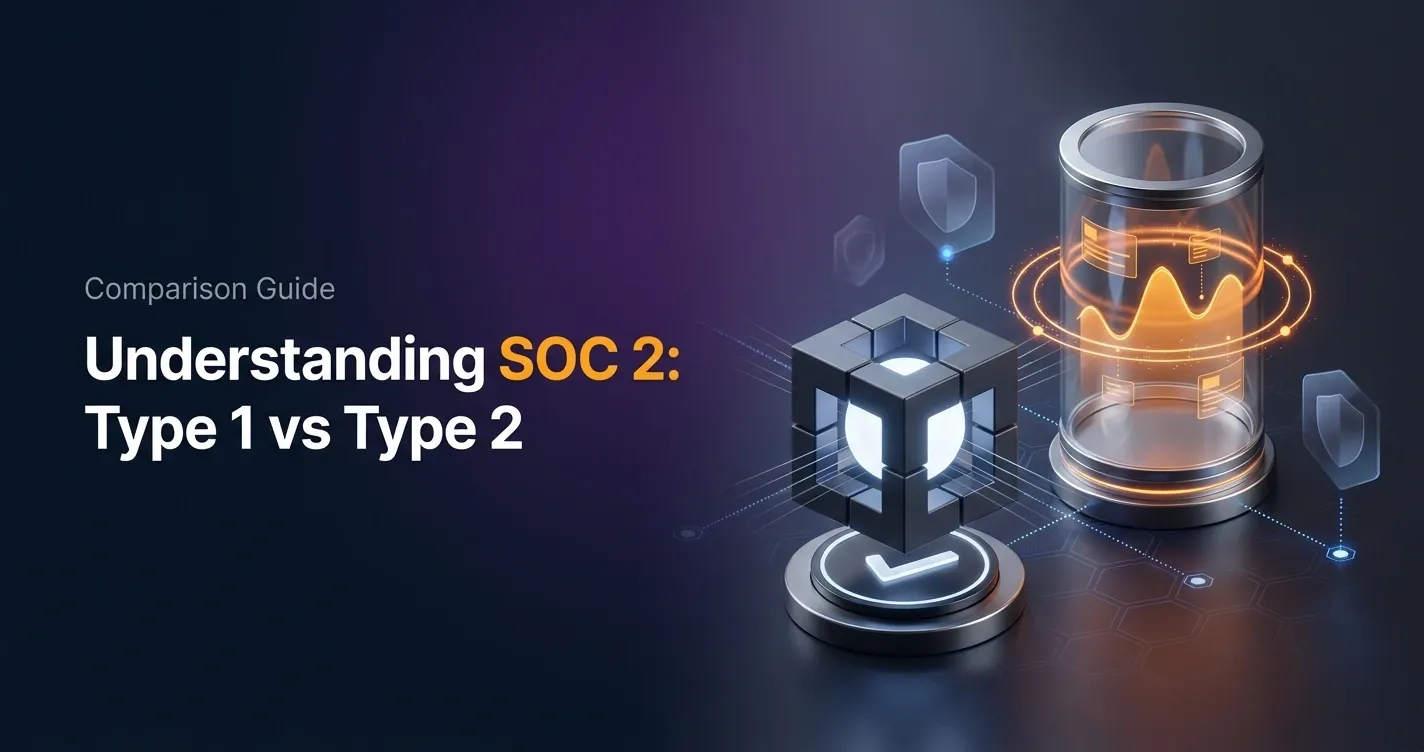
Compare SOC 2 Type 1 and Type 2 audits. Discover key differences, audit scope, duration, and how to choose for compliance needs.
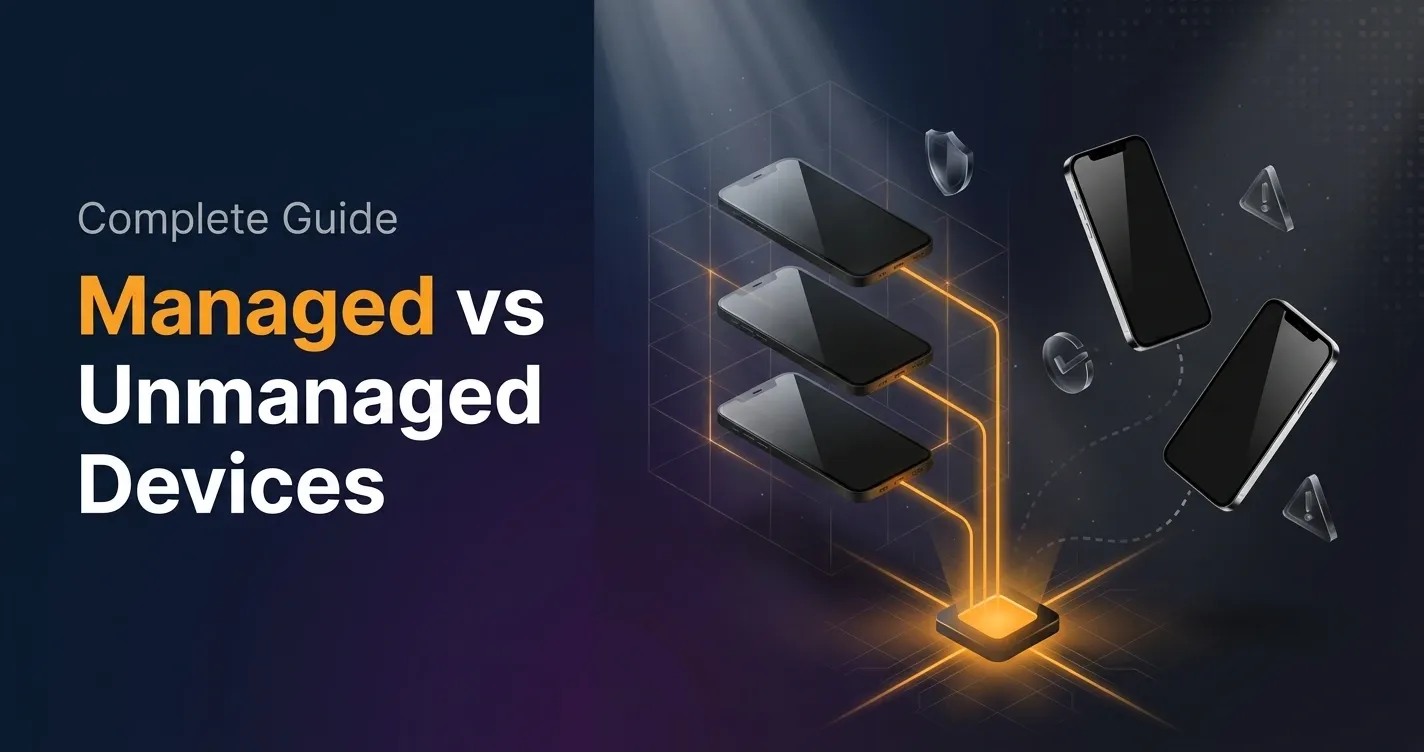
Compare managed and unmanaged devices - definitions, security differences, control levels, and how to choose the right approach for IT.