
Explained
Mobile Technology in Healthcare: Transforming Care Delivery
The convergence of healthcare and technology has led to a new era of patient care and medical practice. At the forefront of this transformation is mobile technology, which is rapidly reshaping how healthcare is delivered, accessed, and experienced. From the palm of our hands, we can now monitor health metrics, consult with healthcare providers remotely, and manage chronic conditions with unprecedented efficiency. This blog delves into the world of mobile technology in healthcare, exploring its applications, benefits, challenges, and the promising future it holds for improving global health outcomes.

What Is Mobile Healthcare Technology?
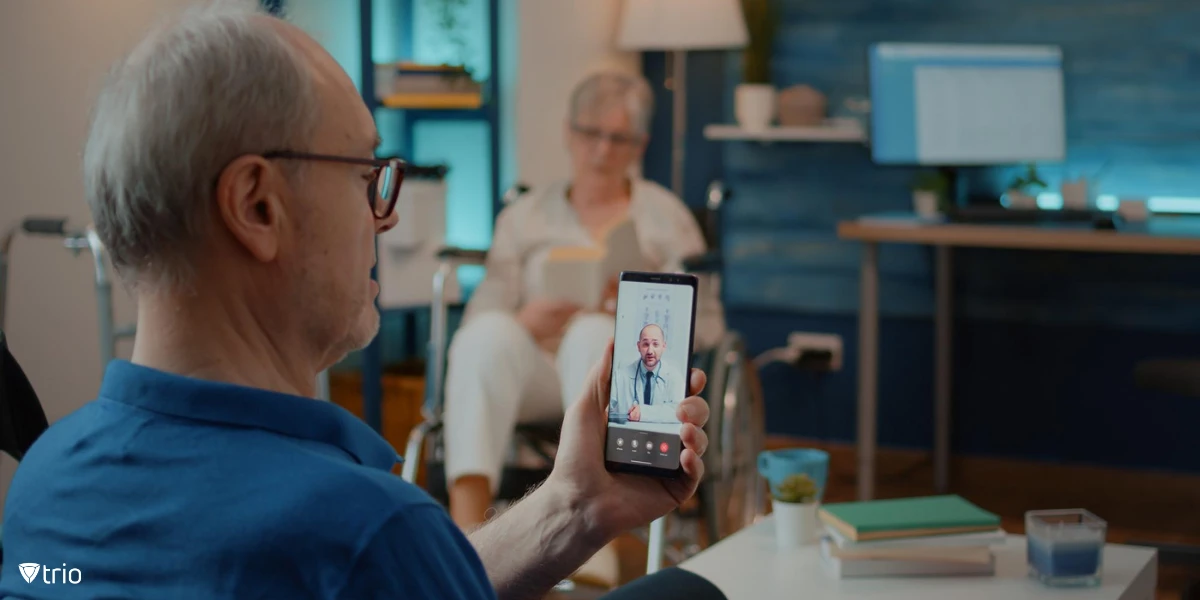
Mobile healthcare technology, often referred to as mHealth, harnesses the power of mobile devices to deliver healthcare services. This encompasses a wide range of applications, from patient monitoring and telehealth to healthcare administration and medical education. Essentially, mHealth technologies leverages smartphones, tablets, and wearable devices to improve patient care, enhance healthcare efficiency, and expand access to medical services.Applications of Mobile Technology in Healthcare
Mobile technology serves as a versatile tool that revolutionizes how healthcare professionals operate and care for patients. Here are some key applications:- Patient Care: Mobile devices facilitate remote monitoring, telehealth consultations, access to electronic health records (EHRs), and patient education.
- Healthcare Administration: They streamline scheduling, inventory management, and administrative tasks, ensuring more efficient operations.
- Medical Education: Healthcare professionals can access medical references, attend online conferences, and engage in continuing education, all through mobile platforms.
- Research: Mobile technology supports data collection and analysis, offering valuable insights for medical research and the development of new treatments.
Most Common Mobile Technologies in Healthcare
While the specific technology varies based on the healthcare setting and role, smartphones are undoubtedly the most widely adopted mobile device in healthcare. Their portability, computing power, and app compatibility make them indispensable tools for both healthcare providers and a better patient experience. Other commonly used technologies include:- Tablets: Ideal for accessing EHRs, educating patients, and managing administrative tasks.
- Wearable Devices: These offer continuous patient monitoring through fitness trackers, smartwatches, and specialized medical wearables.
Benefits of Mobile Technology in Healthcare
Mobile technology offers significant advantages across the healthcare industry:- Enhanced Accessibility: Patient care technology, for example telehealth services, expand access to care, particularly for patients in remote or underserved areas.
- Operational Efficiency: Mobile devices streamline administrative tasks and facilitate real-time communication among care teams.
- Data-Driven Insights: The ability to collect and analyze patient data through mobile apps provides valuable insights for improving healthcare delivery and resource allocation.
- Empowered Patients: Mobile apps empower patients to manage their health by offering tools for medication reminders, symptom tracking, and access to digital health records.
Challenges and Risks of Mobile Healthcare Technology
While there are plenty of benefits, mobile health tech also presents certain challenges:- Data Privacy and Security: Sensitive patient information stored on mobile devices is vulnerable to hacking and unauthorized access.
- Reliability: Inconsistent mobile network coverage can disrupt critical care services.
- Overreliance on Technology: Excessive dependence on technology may hinder face-to-face patient interactions, which are crucial for comprehensive care.
- Quality and Accuracy: The rapid evolution of mobile health applications means their quality and accuracy can vary widely, potentially misleading patients.
- Digital Divide: The disparity in access to smartphones and reliable internet can exacerbate health inequalities, leaving some populations behind.
Future of Mobile Healthcare
The future of healthcare technology is undeniably digital. As technology continues to advance, we can anticipate a shift towards more personalized, predictive, and preventive care. Wearable devices, artificial intelligence (AI), and augmented reality are set to play increasingly significant roles in this transformation, enabling healthcare providers to offer more tailored and efficient care. As the future of mobile healthcare continues to develop, ensuring the safety of patient data while managing multiple devices is crucial in healthcare. Utilizing reliable tools is essential to keep your devices secure and compliant. That's where Trio comes in. Trio's MDM solution simplifies device management by offering a single, unified platform, making device deployment in hospitals and safeguarding sensitive information easier. With Trio, you can integrate mobile technology and healthcare with confidence and trust. Try Trio’s free demo today!Conclusion
Mobile technology has undeniably revolutionized the healthcare landscape, empowering both patients and providers. By enhancing accessibility, improving efficiency, and fostering patient engagement, mHealth has the potential to bridge healthcare disparities and elevate the overall quality of care. While challenges such as healthcare data security and privacy persist, ongoing advancements in technology, like Trio’s MDM solution, and a collaborative effort to address these issues are essential for realizing the full potential of mobile technology in healthcare.
Start your free trial
No credit card required
Full access to all features
Get Ahead of the Curve
Every organization today needs a solution to automate time-consuming tasks and strengthen security. Without the right tools, manual processes drain resources and leave gaps in protection. Trio MDM is designed to solve this problem, automating key tasks, boosting security, and ensuring compliance with ease.
Don't let inefficiencies hold you back.
Every organization today needs a solution to automate time-consuming tasks and strengthen security. Without the right tools, manual processes drain resources and leave gaps in protection. Trio MDM is designed to solve this problem, automating key tasks, boosting security, and ensuring compliance with ease.





Frequently Asked Questions (FAQ)
Have questions? We've got answers. This section covers some of the most commonly asked questions related to this topic.
Yes, you can try us free for 14 days. If you'd like, we'll also provide a free, personalized 30-minute onboarding call to help you get up and running quickly.
Yes, you can upgrade or downgrade your plan at any time. Changes will be reflected in your next billing cycle.
You can cancel your subscription at any time. Your account will remain active until the end of the current billing period.
Yes, you can add company details such as your business name, address, or tax ID to your invoice from your billing settings.
Billing is handled automatically based on your selected plan and billing cycle (monthly or annually). Charges are applied to the payment method you provide.
You can update your account email in your profile or account settings. A confirmation may be required for security purposes.