The
Bring Your Own Device (BYOD) trend has become increasingly prevalent in workplaces worldwide. While this approach offers
flexibility and cost-saving benefits, it also introduces a myriad of security challenges. This comprehensive guide will explore the various BYOD threats and provide strategies for effective defense against BYOD threats.
Understanding BYOD and Its Risks
BYOD refers to the practice of allowing employees to use their personal devices, such as smartphones, tablets, and laptops, for work-related tasks. While this can boost productivity and employee satisfaction, it also exposes organizations to numerous byod security threats.
Common BYOD Risks and Threats
- Data Leakage
- Malware Infections
- Lost or Stolen Devices
- Unsecured Networks
- Shadow IT
Defense Against BYOD Threats: Examples and Strategies
To mitigate the threats and vulnerabilities of byod, organizations must implement robust security measures. Here are some effective strategies:
-
Implement a Comprehensive BYOD Policy
Develop a clear and enforceable BYOD policy that outlines:
-
- Acceptable use guidelines
- Security requirements
- Data ownership and privacy expectations
- Employee responsibilities
-
Mobile Device Management (MDM) Solutions
Utilize MDM software to:
-
- Enforce security policies
- Monitor device usage
- Remotely wipe data from lost or stolen devices
- Manage app installations and updates
-
Network Segmentation
Separate BYOD devices from the main corporate network to limit potential damage in case of a breach.
-
Multi-Factor Authentication (MFA)
Implement MFA for all BYOD users to add an extra layer of security beyond passwords.
-
Regular Security Training
Educate employees about byod risks and threats and best practices for secure device usage.
BYOD Threats: In-Depth Analysis
Understanding the specific threats associated with BYOD is crucial for developing effective defense strategies. Let's explore some of the most significant BYOD threats in detail:

-
Data Leakage
One of the primary byod security threats is the potential for sensitive corporate data to be leaked through personal devices. This can occur through:
- Unsecured file-sharing apps
- Personal cloud storage services
- Malicious insider actions
Defense against byod threats examples for data leakage include:
- Implementing Data Loss Prevention (DLP) solutions
- Restricting access to sensitive data based on user roles
- Encrypting data both in transit and at rest
-
Malware Infections
Personal devices may introduce malware into the corporate network if they're not properly secured. This threat is exacerbated by the fact that employees often download apps and visit websites that may not be work-appropriate or secure.
To combat this threat:
- Require up-to-date antivirus software on all BYOD devices
- Use mobile threat defense solutions
- Implement application whitelisting
-
Lost or Stolen Devices
The physical loss of a device containing corporate data is a significant risk. To mitigate this:
- Enforce strong passcodes or biometric authentication
- Enable remote lock and wipe capabilities
- Use encryption for all corporate data stored on personal devices
-
Unsecured Networks
When employees use their devices outside the office, they may connect to unsecured public Wi-Fi networks, exposing corporate data to potential interception.
To address this byod security threat:
- Require the use of a VPN for remote connections
- Educate employees about the risks of public Wi-Fi
- Implement network access control to verify device security before allowing connection
-
Shadow IT
Shadow IT refers to the use of unauthorized applications or services by employees. This can lead to data leakage and compliance issues.
To combat shadow IT:
- Provide approved alternatives for common productivity tools
- Use application monitoring and control solutions
- Regularly audit device usage and installed applications
Emerging Threats and Future Considerations
As technology evolves, so do the threats and vulnerabilities of byod. Organizations must stay vigilant and adapt their defense strategies accordingly. Some emerging concerns include:
- IoT Device Integration: As more Internet of Things (IoT) devices enter the workplace, they introduce new security challenges.
- 5G Networks: While 5G offers faster speeds and lower latency, it also introduces new security considerations for BYOD environments.
- AI-Powered Attacks: Cybercriminals are increasingly using artificial intelligence to create more sophisticated and targeted attacks.
Trio MDM: Your Ally in BYOD Threat Defense
In the face of these complex BYOD challenges,
Trio MDM emerges as a powerful solution for IT managers and companies looking to bolster their defense against BYOD threats. As a comprehensive
Mobile Device Management (MDM) software, Trio offers a suite of features specifically designed to address the security concerns associated with BYOD environments.
Key Benefits of Trio MDM:
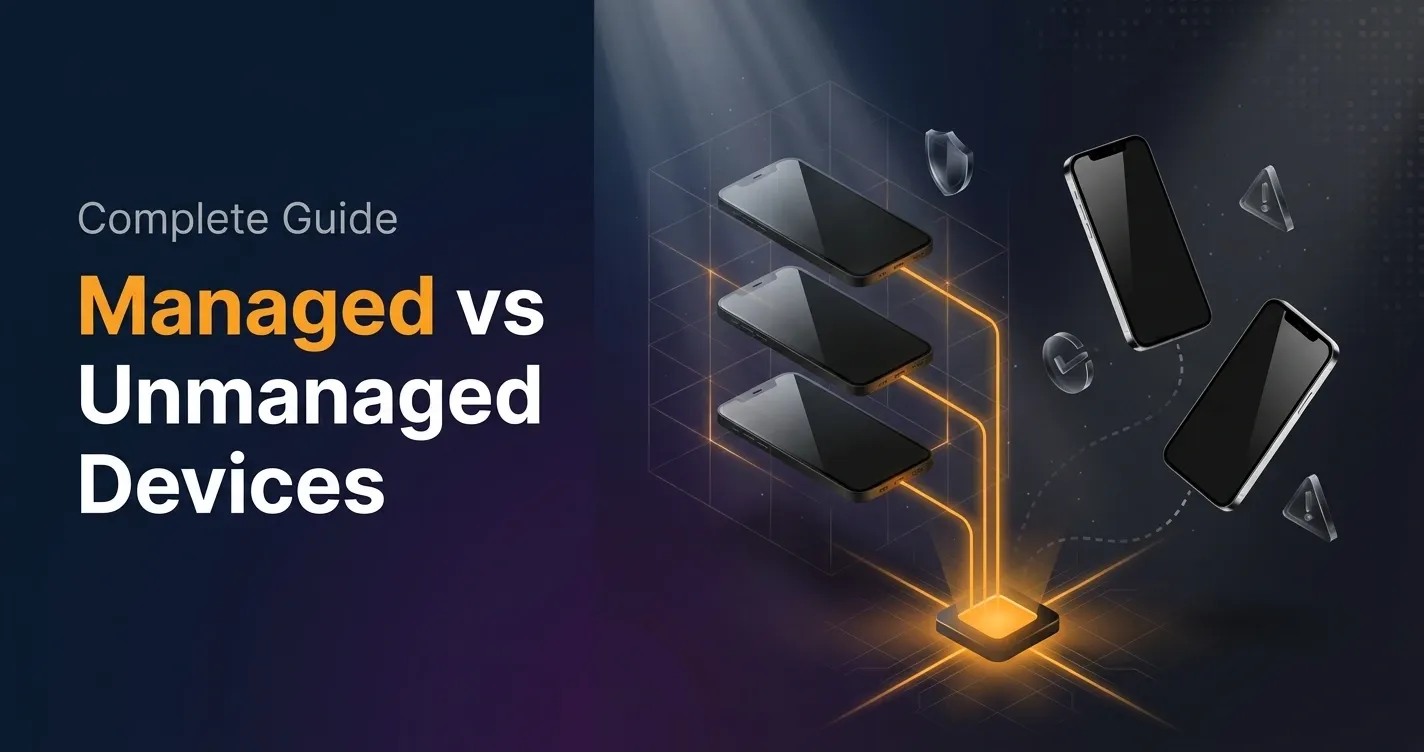
- Centralized Device Management: Easily monitor and control all BYOD devices from a single dashboard, enhancing visibility and control.
- Robust Security Policies: Implement and enforce stringent security measures across all devices, mitigating risks of data leakage and unauthorized access.
- Remote Wipe Capabilities: In case of device loss or theft, quickly erase sensitive corporate data to prevent breaches.
- App Management: Control which applications can be installed and used on BYOD devices, reducing the risk of shadow IT and malware infections.
- Network Security: Ensure devices meet security standards before allowing access to corporate networks, protecting against threats from unsecured connections.
- Compliance Management: Help maintain regulatory compliance by enforcing data protection policies and generating compliance reports.
By leveraging Trio MDM, organizations can confidently embrace BYOD strategies while effectively mitigating associated risks. The solution empowers IT teams to maintain a secure, productive, and flexible work environment.
We invite you to experience the power of Trio MDM firsthand.
Sign up for our free demo today and discover how Trio can transform your BYOD security strategy, providing peace of mind in an increasingly mobile workplace.
Conclusion: A Holistic Approach to BYOD Security
Effective defense against BYOD threats requires a multi-layered approach that combines technology, policy, and education. By understanding the various byod risks and threats, organizations can develop comprehensive strategies to protect their data and infrastructure while still reaping the benefits of BYOD.
Remember, BYOD security is an ongoing process. Regularly review and update your policies and defenses to stay ahead of evolving threats. By doing so, you can create a secure and productive environment that embraces the flexibility of BYOD while minimizing its risks.