


Explained
How to Detect Shadow AI in Your Organization
Shadow AI breaches average $4.63M. Here is how to detect shadow AI using DNS logs, OAuth audits, and your endpoint inventory, step by step.
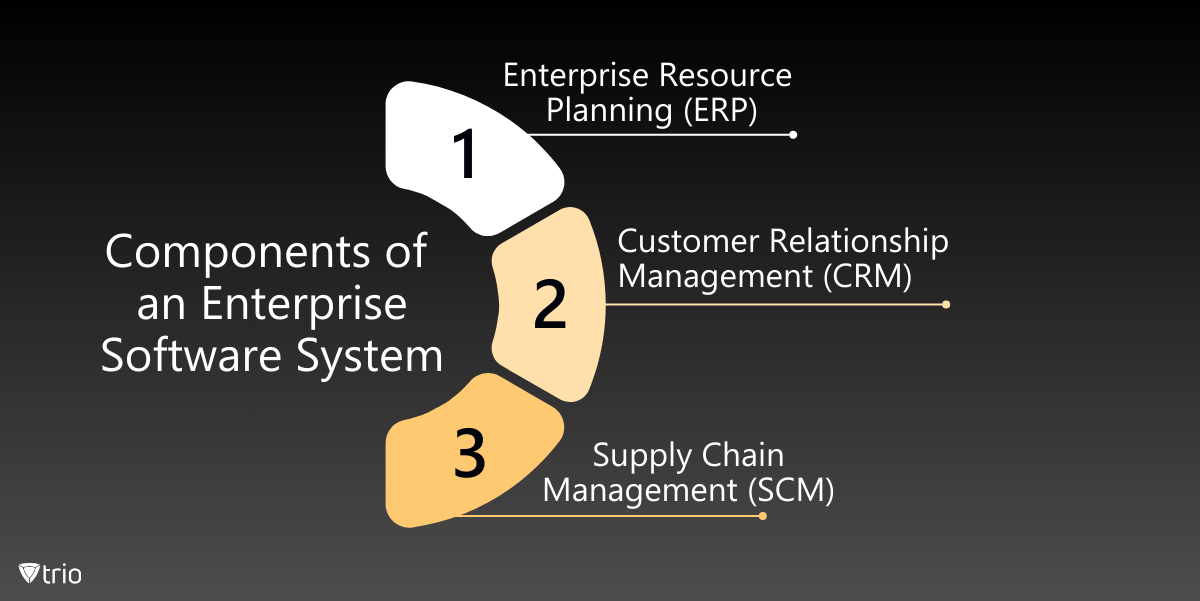
This article provides an in-depth look at enterprise software management, covering definitions, types, and comparisons.
What does Enterprise Software Management have to do with Enterprise Mobility Management?
Enterprise Software Management (ESM) and Enterprise Mobility Management (EMM) are interrelated facets of organizational IT management, both aiming to enhance operational efficiency and security. ESM focuses on the administration, deployment, and maintenance of software applications across an organization. It ensures that all enterprise software is up-to-date, licensed correctly, and functioning optimally. This encompasses managing software assets, compliance with licensing agreements, and ensuring that software deployments are aligned with the organization's strategic goals. EMM is concerned with managing and securing mobile devices, applications, and data in an enterprise environment. As organizations increasingly adopt mobile technologies, EMM’s benefits becomes critical in maintaining the security and productivity of mobile workforces. EMM solutions typically include mobile device management (MDM), mobile application management (MAM), and mobile content management (MCM), providing comprehensive control over mobile devices and ensuring that corporate data is secure, even on employees' personal devices. The convergence of ESM and EMM is important in today’s digital workplace. Both domains require a seamless integration to ensure that enterprise applications are accessible and secure on mobile devices. This integration helps in maintaining compliance with security policies, ensuring that mobile applications receive timely updates, and protecting sensitive data across all devices. As mobile usage grows, the boundary between ESM and EMM blurs, necessitating a unified approach to manage both traditional and mobile software environments effectively.
Every organization today needs a solution to automate time-consuming tasks and strengthen security. Without the right tools, manual processes drain resources and leave gaps in protection. Trio MDM is designed to solve this problem, automating key tasks, boosting security, and ensuring compliance with ease.
Every organization today needs a solution to automate time-consuming tasks and strengthen security. Without the right tools, manual processes drain resources and leave gaps in protection. Trio MDM is designed to solve this problem, automating key tasks, boosting security, and ensuring compliance with ease.





Have questions? We've got answers. This section covers some of the most commonly asked questions related to this topic.
Related
The related industry news, interviews, technologies, and resources.
Shadow AI breaches average $4.63M. Here is how to detect shadow AI using DNS logs, OAuth audits, and your endpoint inventory, step by step.
Declarative device management is Apple's answer to MDM polling delays and unreliable compliance data — here's how it works and how to start using it.
An APNS certificate is what lets your MDM platform send commands to iPhones, iPads, and Macs — here's how to create, renew, and protect it.
Device location history works differently on Android, iPhone, and MDM platforms. Here's what each one actually stores and how to access it.
Unlike full-device VPN, per-app VPN tunnels only the apps you choose — and without MDM enforcement, users can bypass it entirely on unmanaged devices.
A remote wipe on a Mac is only possible if the right tools are in place first — here is how MDM, Find My, and native macOS each handle device erasure.
Compare SOC 2 Type 1 and Type 2 audits. Discover key differences, audit scope, duration, and how to choose for compliance needs.
Compare managed and unmanaged devices - definitions, security differences, control levels, and how to choose the right approach for IT.